From Declaration to Action: What July 5, 1776 Teaches Us About Next Steps
From Declaration to Action: What July 5, 1776 Teaches Us About Next Steps
Jul 07, 2026
America's 250th continues beyond July 4th.
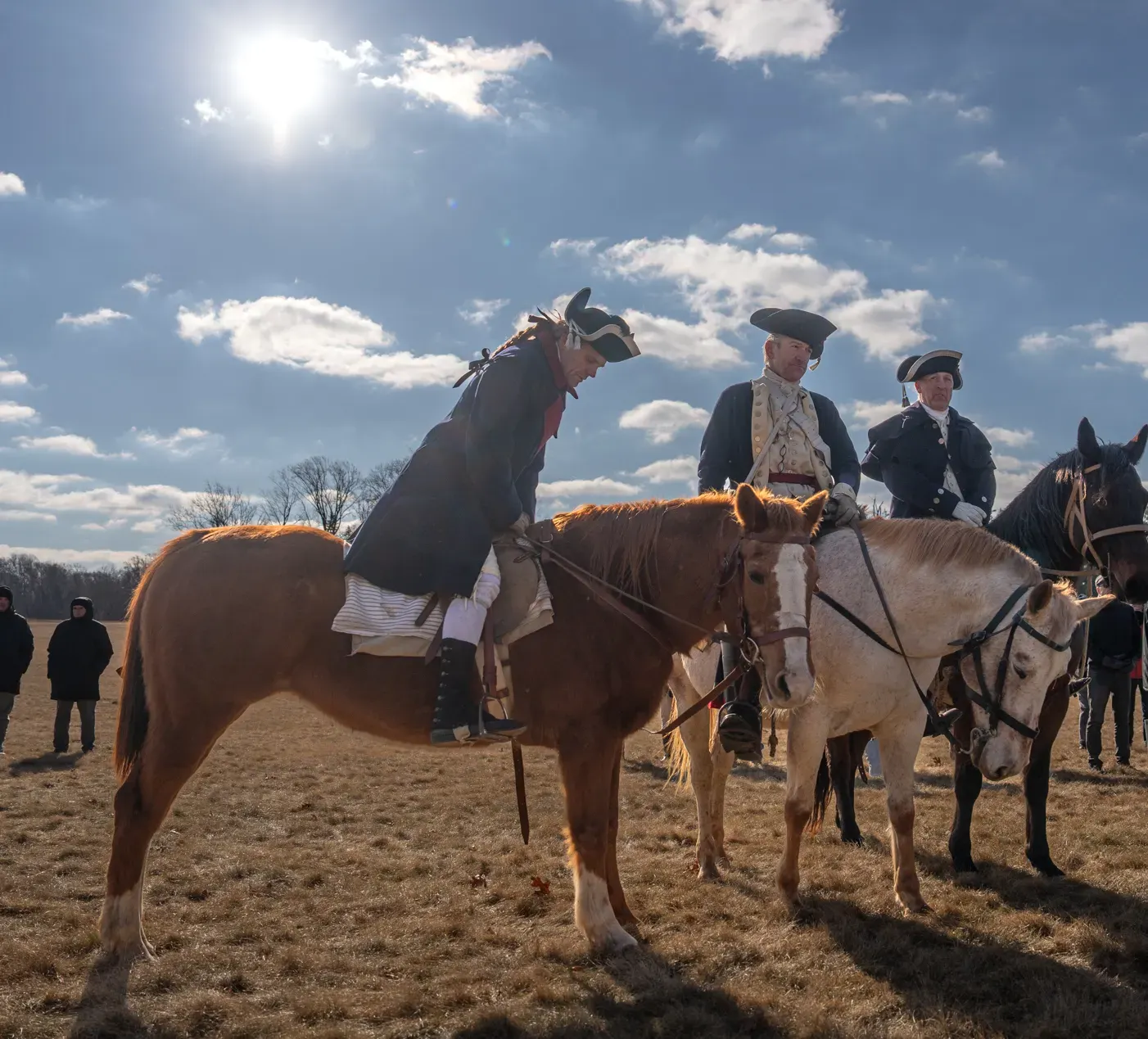
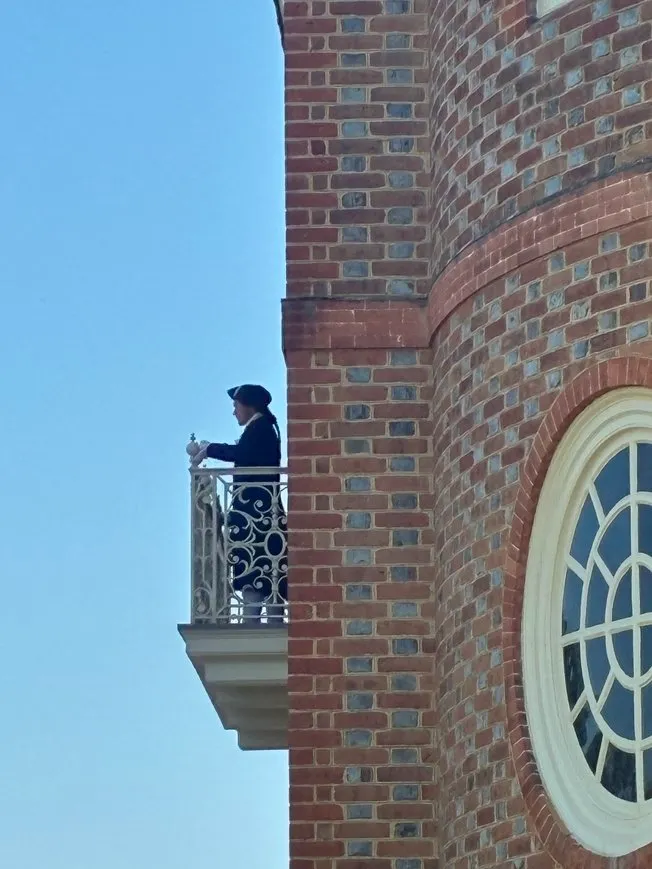
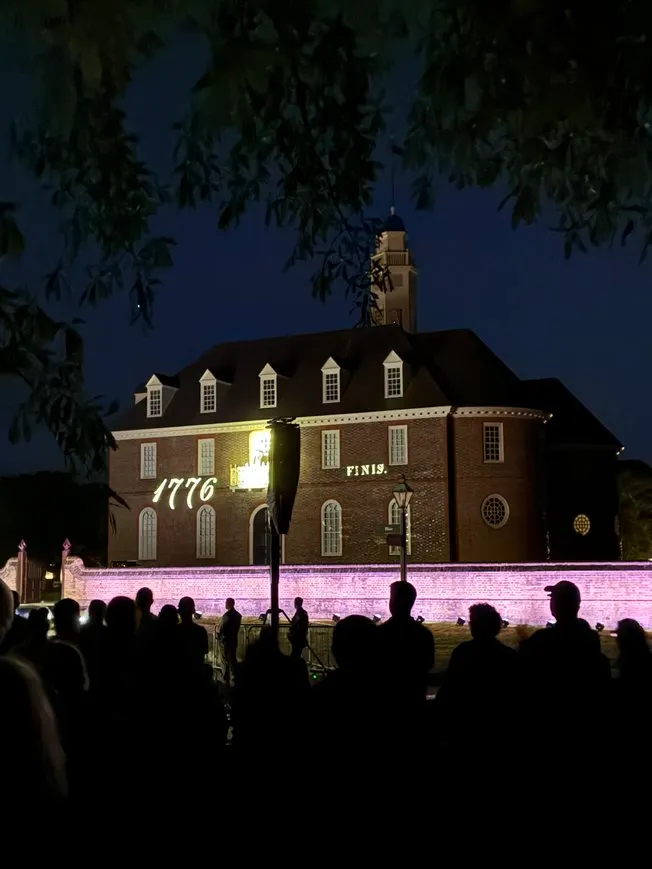
As I publish this post on July 7, 2026, I'm not sad that the "big day" is in the rearview. For us, we followed what's become an annual tradition: watching Colonial Williamsburg's (CW's) Kurt Smith as Thomas Jefferson read the Declaration of Independence.
This year, the crowd was mind-blowing- but we found a spot off to the side of CW's reconstructed Capitol Building- and it was perfection.
This celebration was one to remember. BUT July 4th celebrations of our 250th anniversary of the passage of our nation's Declaration of Independence isn't the last 250th to note. So I'm not sad it's behind us.
I strongly encourage continuation of commemorating 250ths for years to come, whether it's noting a major event or a small step forward. Here, let's begin with July 5, 1776.
RELATED: Check out the full American Independence category of articles on this blog here.
Necessary disclaimer: As a blogger, I use affiliate links sometimes! I may receive commission from purchases I share; it does not change your price but sometimes you might get a discount.
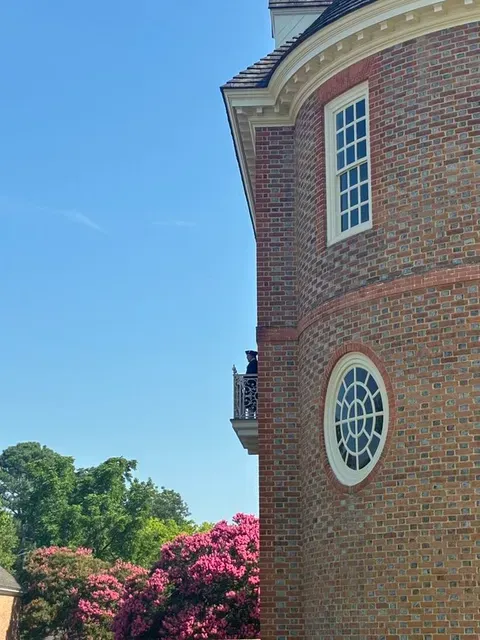
Kurt Smith as Jefferson, reading the Declaration in CW.
The men of Congress woke up on July 5th and got to work.
After the proverbial dust settled, there was "tomorrow."
In Pursuing Happiness, the program Mr. Smith wrote for CW on Jefferson's drafting of our Declaration of Independence, Peter Jefferson portrayed by Robert Weathers queries: "What will you do tomorrow?"
The delegates in Philadelphia, the men who had voted for Independence by passing the Lee Resolution on July 2nd followed by our Declaration on July 4th--- woke up on July 5th.
And they got to work.
On July 5th they resolved that:
- "a chaplain be appointed to each regiment in the Continental Army" (and yes, religious choice was down to the regiment- a step towards religious freedom indeed and a practice already happening on the front)
- "steps to procure lead" be prioritized as an immediate effort
- "an express be established between New York and Philadelphia to permit General Washington to send daily dispatches to the congress"
- "five tons of powder be sent to Gen. Andrew Lewis at Williamsburg for use in the Southern Department and that part of it be sent to South Carolina"
- "four companies of militia be retained in Philadelphia to guard continental stores"
---and more.
My source: July 5, 1776 entries from the Adams papers on Founders Archives.
RELATED: Click here to open Jefferson's first draft of the Declaration on the Founders Archives in a new tab.
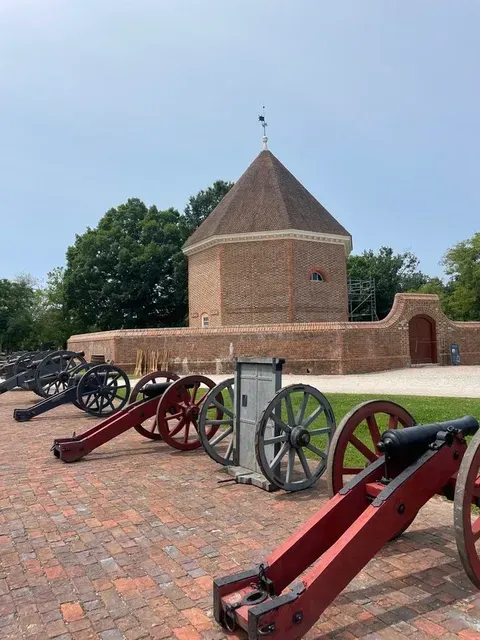
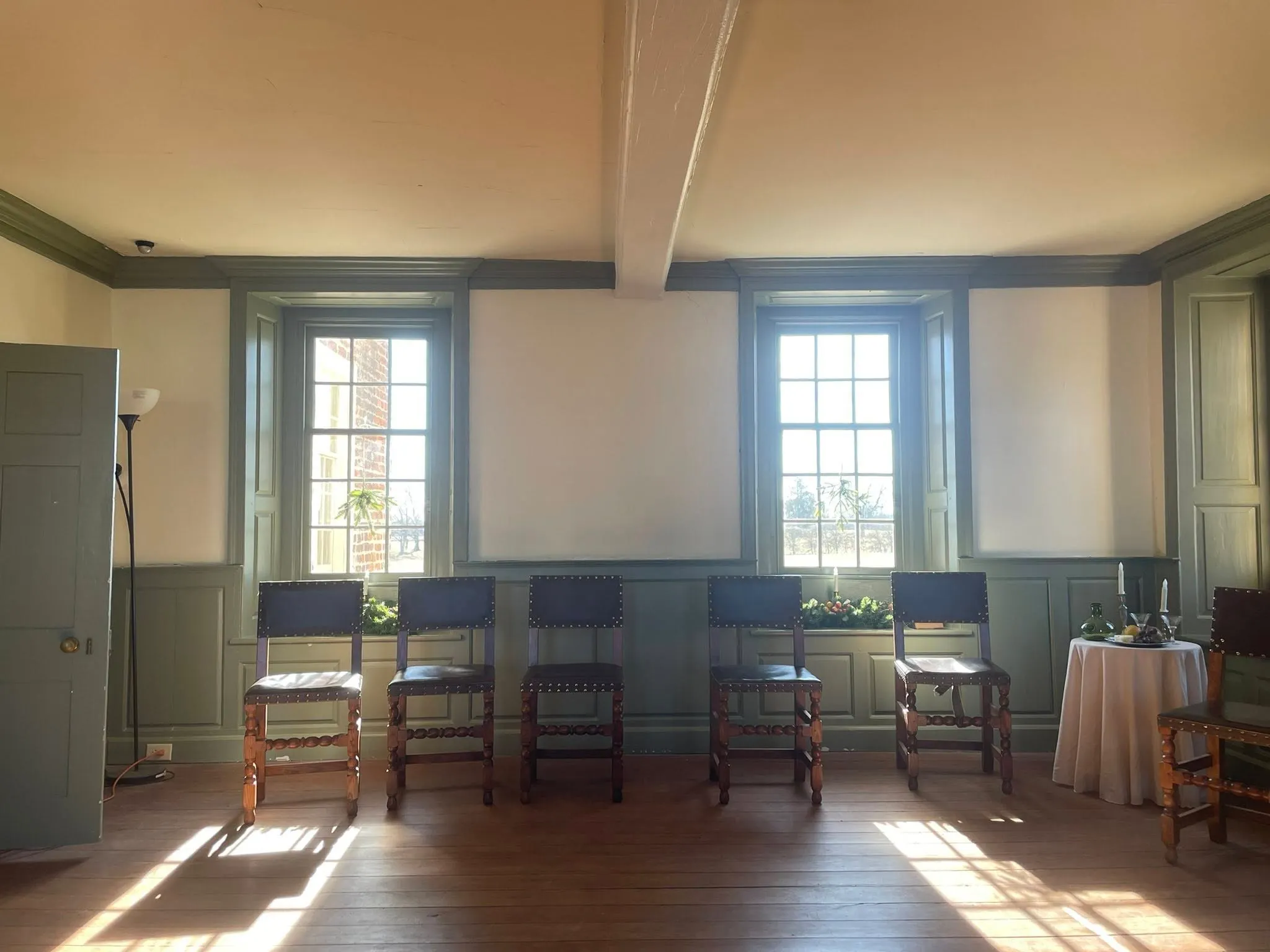
Williamsburg's Magazine, where gunpowder was stored.
On July 6th.
John Hancock was President of the Continental Congress in July of 1776. Two days after the passage of our Declaration, he wrote the Commander-in-Chief of the Continental Army: George Washington.
Washington was, and had been, out in the field. Officially gaining his command in June of 1775, and actively leading the troops for over a year, he was unaware of the vote in Philadelphia on July 6th.
After receiving the news from Hancock, Washington famously read the Declaration to the troops in New York. Click here for more detail on Mount Vernon's website.
Words from Hancock's letter, dated July 6, 1776 from Philadelphia (which you can read in full by clicking here):
"Impressed with this Sentiment, and at the same Time fully convinced, that our Affairs may take a more favourable Turn, the Congress have judged it necessary to dissolve the Connection between Great Britain and the American Colonies, and to declare them free & independent States; as you will perceive by the enclosed Declaration, which I am directed to transmit to you, and to request you will have it proclaimed at the Head of the Army in the Way, you shall think most proper.1
Agreeable to the Request of Congress, the Committee of Safety of this Colony have forwarded to you ten Thousand Flints; and the Flints at Rhode Island are ordered to be sent to you immediately."
RELATED: Click here to open my blog post introducing John Hancock.
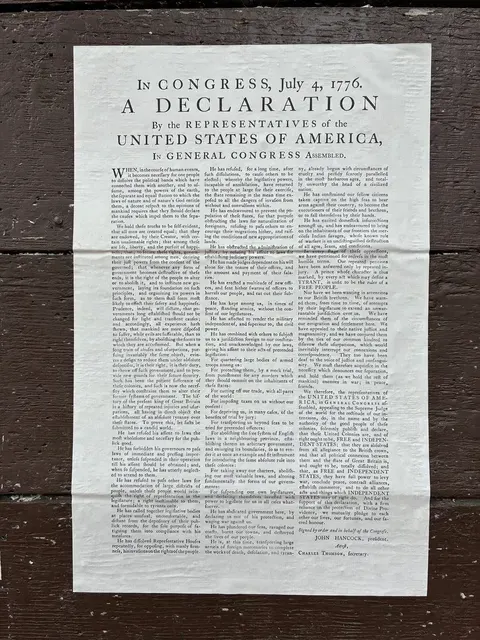
Declaration printed and posted in CW for pubic viewing, 2026.
On July 7th.
John Adams was working to reassure Washington's then aide-de-camp, Joseph Reed. Adams is clearly upset by the dire situation in New York. He blatantly states the hopes for reconciliation should be attributed serious blame-- as I read it.
He also writes that Congress is actively getting more troops to New York. Pulled directly from his July 7th letter, which you can open here from Founders Archives:
The blame:
"A fatal Delusion, from fond Hopes of Reconciliation, entertained, fostered and cherished, against the clearest Evidence, which is ever to be expected in such Cases, has held Us back, from making Such Preparations, for our better security as were in our Power."
The reassurance- and the work being done.
"Congress have already ordered three of the Battallions at Boston, to N. York, and tomorrow will order the other two. The two Pensilvania Battallions are ordered to N. York, and Measures have been taken to send all the Militia of Pensilvania, who can be armed to N. York and N. Jersey."
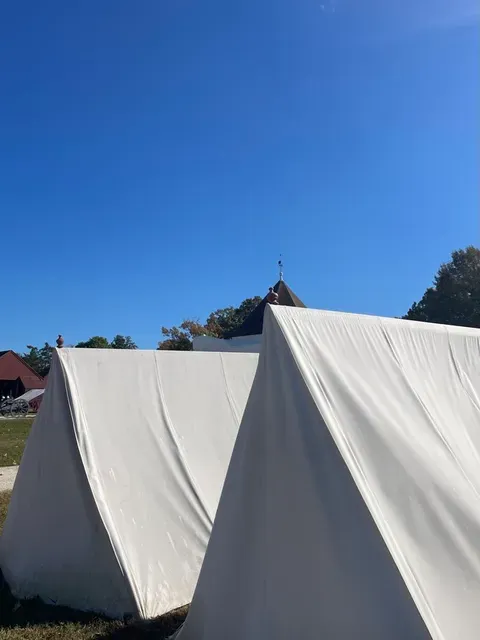
Tents at CW's military encampment.
What will you do tomorrow?
What's the next step to take?
For Congress, passing the Declaration of Independence wasn't the final move. Not in the least. It was the beginning of the next phase of our American Revolution. A revolution which continues as long as Americans continue to read it, study it, evolve, and keep this republic alive.
Use the work Congress did in the days after July 4, 1776 as an inspirational guide. From July 5th on, they dug deeper- so should we in my humble opinion.
Closing with more words from history.
I give you an excerpt from the July 10th message from New York Convention to John Hancock.
From apologies to offerings and requests, this is a gem. For me the opening is vital in showing the unity happening during this pivotal time: the onset of a new nation.
Keep in mind as you read this: New York had abstained on the the July 2nd vote on the Lee Resolution for Independence. Their delegates in Philadelphia hadn't received instructions to support it.
Open the Founders Archives link to get the full document transcribed, start to finish!
New York Convention to the President of Congress (John Hancock)
[New York, 10 July] 1776
Sir
In Pursuance of a Resolution of your hon’ble House of the 17th: June last we passed a Resolve to authorize the Commander in Chief to call out all or any Part of
, Start deletion, the , End, ^our^ Militia whenever he might think it necessary Of this Resolve the Inclosure No. 1 is a Copy—1
We have also taken into Consideration the Recommendation of the Congress relative to providing Cloathing for the Troops, and thereupon passed a Resolution of which the Inclosure No. 2 is a Copy
Are you enjoying this free blog? Keep me caffeinated, researching, and writing! Use my online tip jar to buy me a coffee:

There is a huge practical disclaimer to the content on this blog, which is my way of sharing my excitement and basically journaling online.
1) I am not a historian nor an expert. I will let you know I’m relaying the information as I understand and interpret it. The employees of Colonial Williamsburg base their presentations, work, and responses on historical documents and mainly primary sources.
2) I will update for accuracy as history is constant learning. If you have a question about accuracy, please ask me! I will get the answer from the best source I can find.
3) Photo credit to me, Daphne Reznik, for all photos in this post, unless otherwise credited! All photos are personal photos taken in public access locations or with specific permission.