Eliza of the Indigo Fields: Carolina’s Forgotten Mother Behind Famous Sons
Eliza of the Indigo Fields: Carolina’s Forgotten Mother Behind Famous Sons
Aug 17, 2026
Discovering 'The Indigo Girl.'
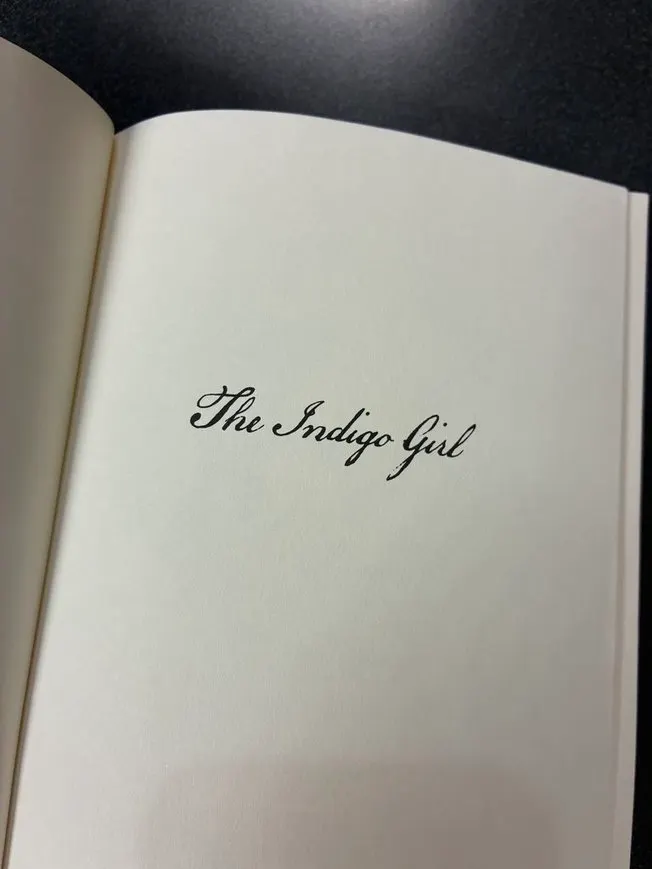
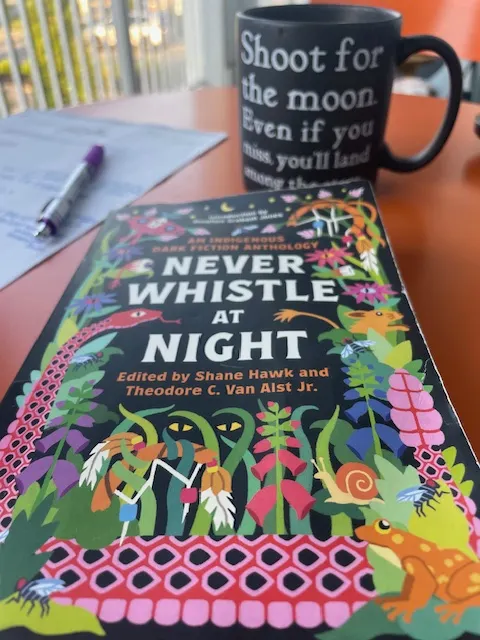
I'm not ashamed to say I belong to multiple Facebook groups focused on books. Facebook recommendations introduced me to Natasha Boyd's 'The Indigo Girl.'
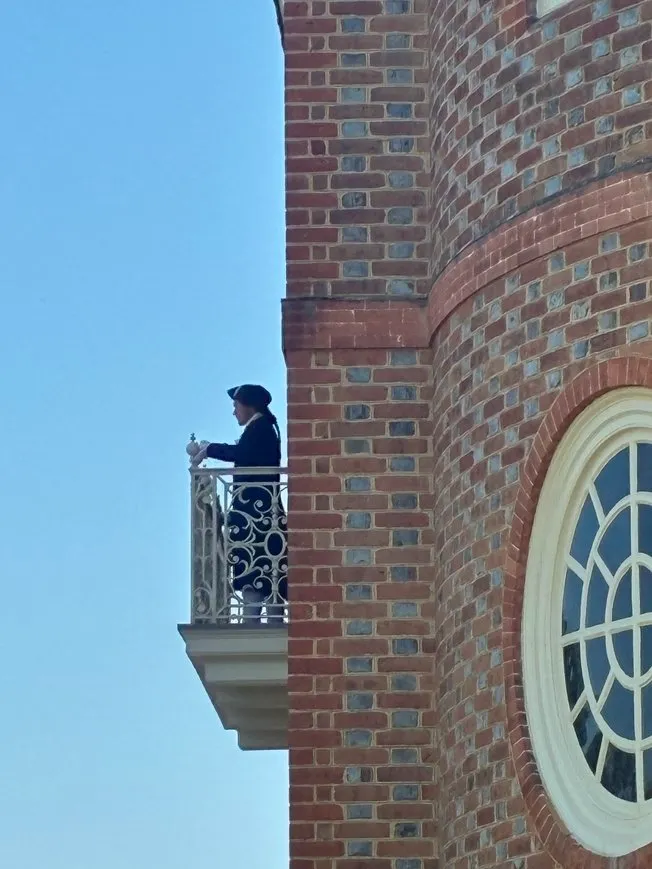
OK- I knew indigo was not native to this region. Living in Colonial Williamsburg (CW) and having the incredibly knowledgeable tradespeople on my doorstep, indigo as a Revolutionary-era (thing) has been unavoidable.
What I did know about indigo: it wasn't a simple process, it's a beautiful dye, and it comes from the land. The chance to know more, while reading something about the human experience in Colonial America was motivation to grab a copy (and devour!) 'The Indigo Girl.'
I encourage you to do the same. Keep reading...
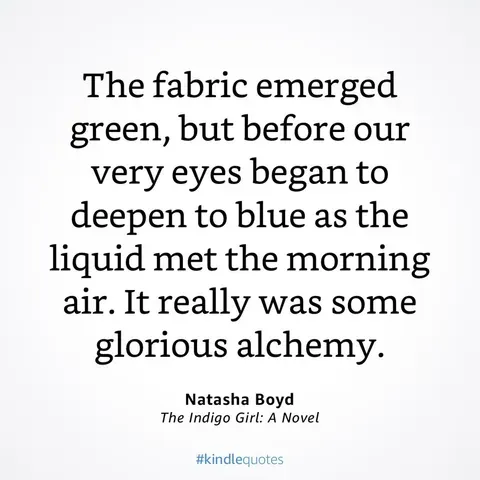
Eliza mesmerized by indigo
Necessary disclaimer: As a blogger, I use affiliate links sometimes! I may receive commission from purchases I share; it does not change your price but sometimes you might get a discount.
Who should read 'The Indigo Girl?'
I'll start with the important note: there are a few (very few) passages of graphic violence regarding the practice of slavery as well as childbirth. Parents- make a decision here. For most adults, you can skim/bypass the passages as you hit them.
But... who should read 'The Indigo Girl?' Anyone who:
- wants to dive into South Carolina history
- is interested in the ascent of indigo as an American commodity
- loves a solid story of 18th century daily life
- craves information about women operating and managing businesses in the 18th century
- looks to dive deeper into the complex relationships between the enslaved and members of enslaving families
Fiction first, then fact.
As someone who had no knowledge of Eliza Lucas and her legacy, I'm totally glad I got to know her through The Indigo Girl. Boyd's narrative lays out a roadmap for future research, connections to make across topics, and adds a new dimension to my understanding of 18th century South Carolina in general.
Most importantly, not knowing Eliza's full story in advance of reading the book offers up the element of surprise. And no, I'm not going to share anything that will remove that element from your experience. (But yes, her sons were active in South Carolina and early United States history!)
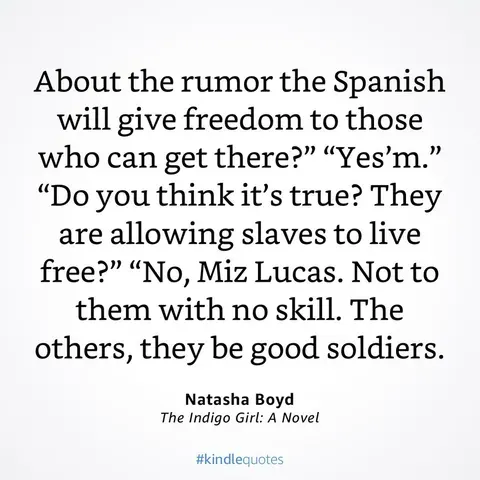
Insight into Eliza's relationship with her family's enslaved.
Natasha Boyd's writing style.
After reading Natasha Boyd's book, I jumped on YouTube and looked for an interview of this author, whose first-person perspective, chapter after chapter, truly consumed me.
Why? In addition to the story of Eliza, Ben, the Pinckneys, Quash, Sarah, Essie, and the others... her writing style:
- first-person perspective
- heavily-researched, immersive history through an easy-to-digest narrative
- post-novel details from the author on character backgrounds, her research methods, and resources we can explore (and a note about George Washington's personal honor to Eliza)
Boyd's approach to writing aids readers in understanding the implications of three things:
- tensions, economy, and daily life during specific period of the 18th century: slavery, English rule over those living in the Colonies, the sound of horses hooves approaching a home...all of it
- the prevailing laws in South Carolina: from land ownership to use of currency and beyond
- human nature: through descriptive interactions between characters and emotions surrounding relationships amongst them...as well as individual internal struggles
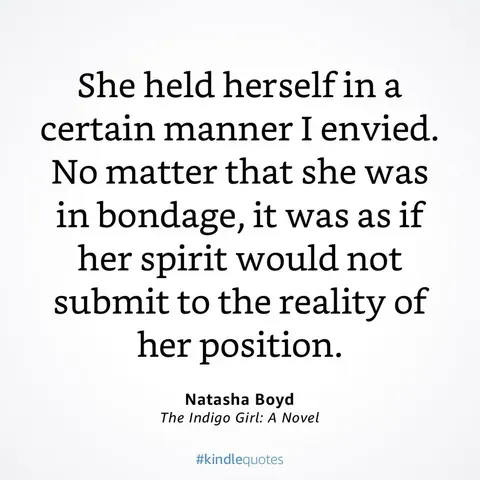
Eliza describing Sarah, enslaved on her father's plantation
Start with this book, then dive deeper!
Before you leave, some calls to action, and then --- Eliza's words to close this article out!
Buy 'The Indigo Girl' by clicking here.
Buy her letterbook by clicking here. Read her own words, transcribed.
In Charleston, South Carolina:
Visit the Addlestone Library and view the Pinckney papers; library hours and information (along with contact information for making specific requests) may be accessed here. (Natasha Boyd references this library as a resource for the book.)
Visit the Charles Pinckney National Historic Site. The National Park Service has added a page on Eliza online- but you may want to bookmark this post and save it for after you read 'The Indigo Girl!'
YouTube:
Click here to open the interview I mentioned previously, found on YouTube. The interviewer is Marilyn Shannon, host of the 'Breaking Free Show.'
While it is a few years old, it gives outstanding context to Boyd's work. She discusses (and I'm quoting specific phrases) contradictions of the term "kindly slaveowner," the compulsion to "bring her [Eliza] into the general consciousness," and her passion for historical fiction. Boyd even shares her experience learning the method for processing indigo!
Visiting Williamsburg?
Book a tour with me on your visit to Colonial Williamsburg- we can discuss the women of this place, this 'colony' of Virginia.
Closing words from history.
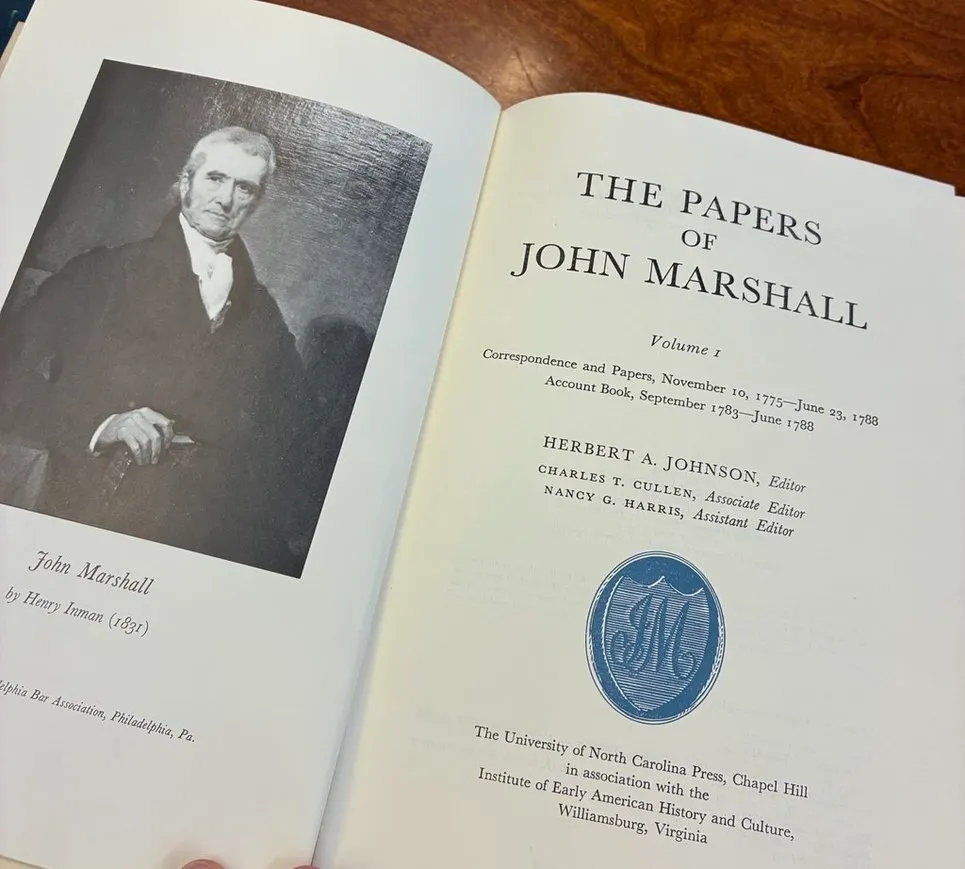
May 22nd, 1742 from Eliza to her brother Thomas Lucas. For context, she moved to South Carolina from Antigua and had studied in London. Excerpts from her letter-book, edited by Elise Pinckney, UNC Chapel Hill Press, © 1972, pages 39-40:
"I am now set down, my Dear Brother, to obey your commands and give you a short description of the part of the world I now inhabit. South Carolina then is a large and Extensive Country Near the Sea. Most of the settled parts of it is upon a flatt--the soil near Charles Town sandy, but further distant clay and swamplands.
(letter continues)
The Soil in general [is] very fertile, and there is very few European or American fruits or grain but what grow here. The country abounds with wild fowl, Venison and fish. Beef, veal and motton are here in much greater perfection than in the islands [West Indies], tho' not equal to that in England; but their pork exceeds any I have tasted anywhere.
(letter continues)
The winters here are very fine and pleasant, but 4 months in the year is extreamly disagreeable, exessive hott, much thunder and lightening, and muskatoes and sand flies in abundance.
(letter continues)
The staple commodity here is rice and the only thing they export to Europe. Beef, pork and lumber they send to the West Indias.
Are you enjoying this free blog? Use my online tip jar and buy me a coffee:

There is a huge practical disclaimer to the content on this blog, which is my way of sharing my excitement and basically journaling online.
1) I am not a historian nor an expert. I will let you know I’m relaying the information as I understand and interpret it. The employees of Colonial Williamsburg base their presentations, work, and responses on historical documents and mainly primary sources.
2) I will update for accuracy as history is constant learning. If you have a question about accuracy, please ask me! I will get the answer from the best source I can find.
3) Photo credit to me, Daphne Reznik, for all photos in this post, unless otherwise credited! All photos are personal photos taken in public access locations or with specific permission.
Popular Posts