Reviewing The Family Letters of Thomas Jefferson: One of my Favorite Books
Reviewing The Family Letters of Thomas Jefferson: One of my Favorite Books
Dec 16, 2025
I'm reviewing The Family Letters of Thomas Jefferson before finishing it.
Owning it.
Full disclosure: I haven't read all 480 pages of The Family Letters of Thomas Jefferson. But I'm both compelled and confident in writing a review recommending it to you.
Thanks to my dear friend and owner of The Wordsmith Mobile Bookshop, Krista John, I own a copy of this book. She gifted it to me knowing my love of reading primary sources, especially letters.
And most especially: those written by our eloquent primary author of the American Declaration of Independence: Thomas Jefferson, aka "grandpapa" and "TJ."
Owning it means it's always within reach. When I'm in the mood for TJ or looking for something specific in my research, I can dive in.
RELATED: Follow Krista's Instagram account for her bookshop here!
Book citation: The Family Letters of Thomas Jefferson, edited by Edwin Morris Betts and James Bear, Jr. Published for the Thomas Jefferson Memorial Foundation, Inc. of Monticello by the University Press of Virginia ©1966.

The Wordsmith Mobile Bookshop
Format, style, and use.
3 elements of The Family Letters of Thomas Jefferson, beyond the letters.
Obviously, I love reading the letters themselves. But what makes a book like this perfect is the way in which the editors arrange and assemble it.
Three elements bring context to the letters and simplify your journey into history.
1) Inclusion of a family tree: Like many early American families, it's complicated!
Although Jefferson only had two daughters living into adulthood, and Martha was the one who gave birth all but one grandchild, the actual names alone can cause confusion.
For example, Jefferson's daughter Martha follows her mother, Martha. And her aunt [Jefferson's sister] Martha. She also had a granddaughter named Martha. You'll find family names like Jefferson, Randolph, and Wayles woven throughout.
I personally reference the family tree often. Not just for names, but birth and death dates, and reminders of connections through marriage. You can do the same and lose yourself in this fascinating family tree.

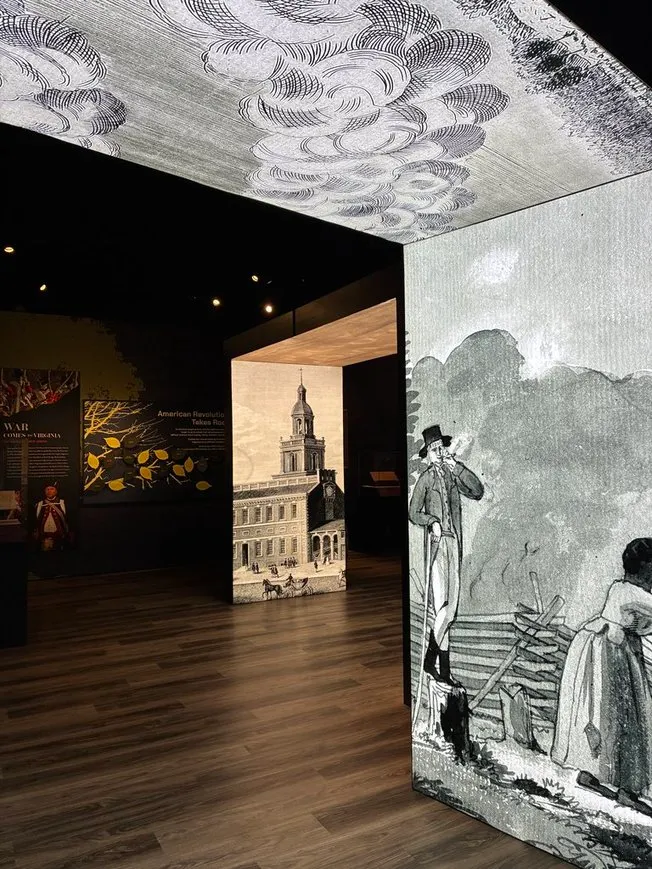
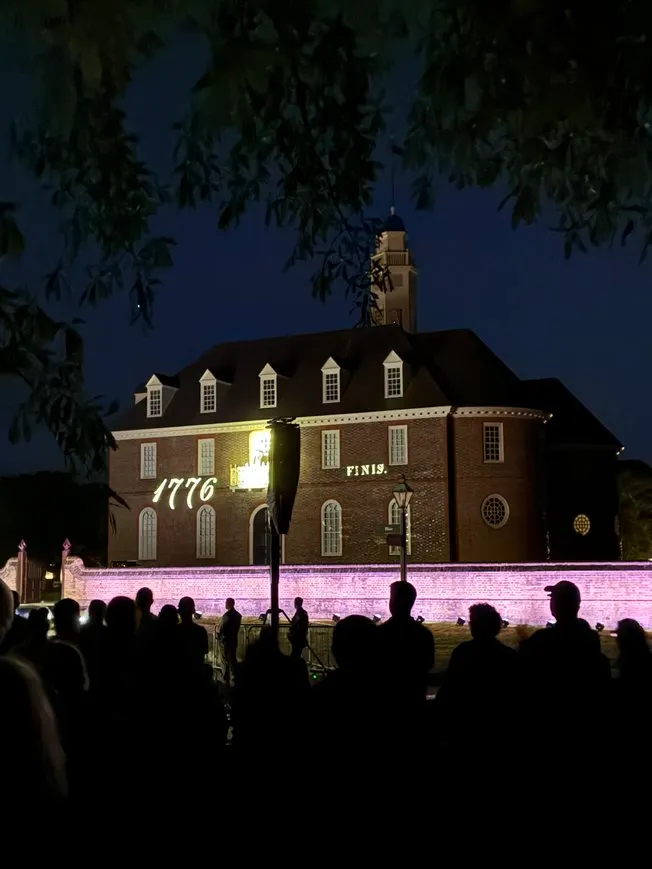
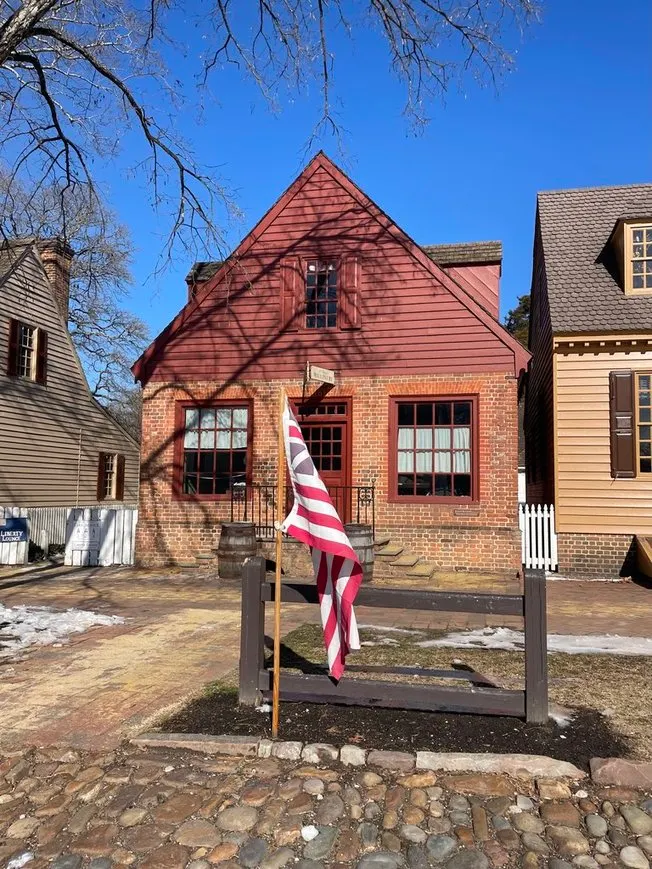
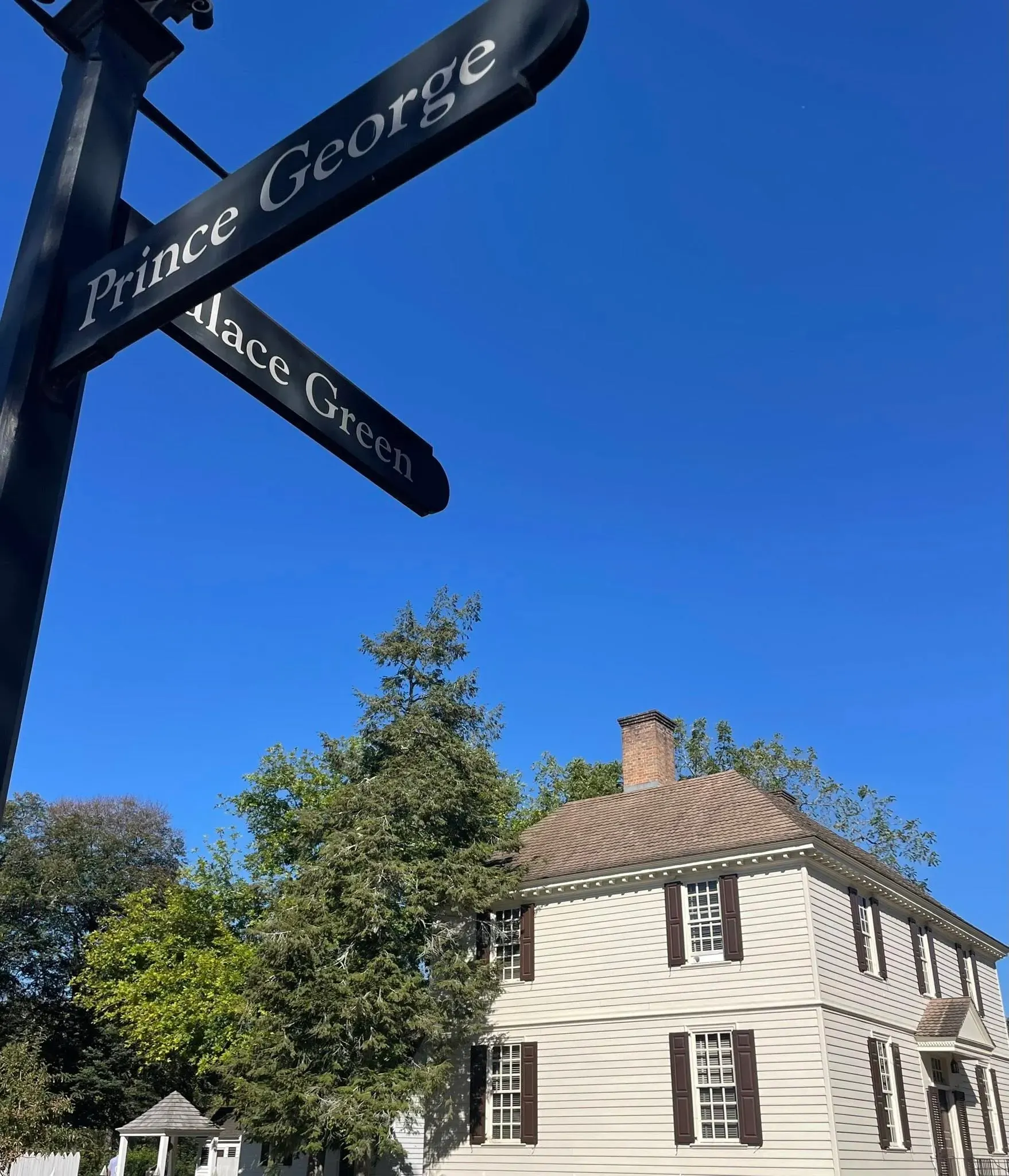
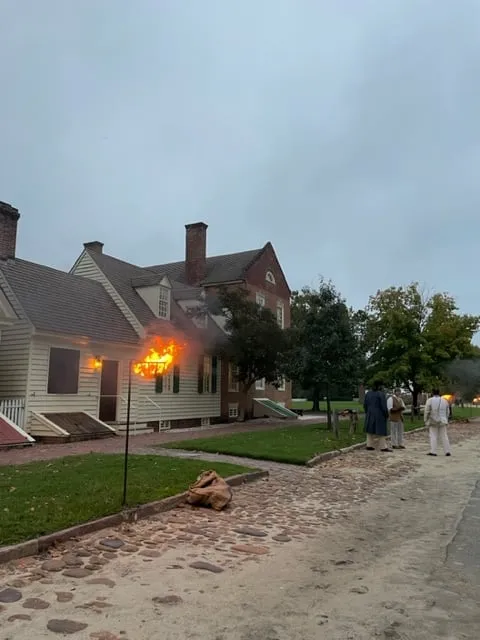
Colonial Williamsburg, December 2025
2) The well-written preface: This invaluable to us, the readers of books containing letters, diaries, and other historical first-person accounts.
The context, how the letters were found/saved/compiled, the editors connection to the collection... all typical to a preface.
In The Family Letters of Thomas Jefferson, you find out where the primary sources (the letters themselves) are housed, are given formatting notes (spelling kept authentic, introduction of each letter and so on), and immediately presented with Jefferson's passion for writing.
This passion is demonstrated in SO MANY letters where he's figuring out the timing of when to write and send letters, instructing his family on said timing, and intensely stating his feelings about both sending and receiving letters.
In this book, the preface is followed by an introduction giving an overview of the family.
3) A comprehensive index: For someone like me, this is pure gold. I know it will be for you as well! At the back of the book, you can search mostly people and places, but sometimes, topics.
- People. Example: "Skelton, Bathurst" found on page 219 [he was Jefferson's wife Martha's first husband]
- Places. Example: "Mount Vernon" mentioned on pages 99, 124, 190
- Topics. Example: "Exercise," [as he shares the importance of it with his daughter Martha] on pages 34-35

Jefferson's passion for sending and receiving family letters.
5 ways to read the letters in this book:
- By exact date: simply curious about what Jefferson was thinking on a specific day in history? Maybe July 2nd? Go directly to July 2nd 1792, exactly 16 years after the vote for Independence. Page through the book to find any and all letters dated July 2nd.
- By year: similarly, you can consume the content a year at a time. Check out the final family letters of 1826, the year Jefferson passed away.
- By station/role: his time in Congress, as Secretary of State, as President and so on. In fact, this is how the book is actually sectioned off.
- Use the index as you dig into the lives of specific people, places, or topics Jefferson or his family members wrote about.
- Cover to cover: who's to stop you from taking it all in, beginning to end!

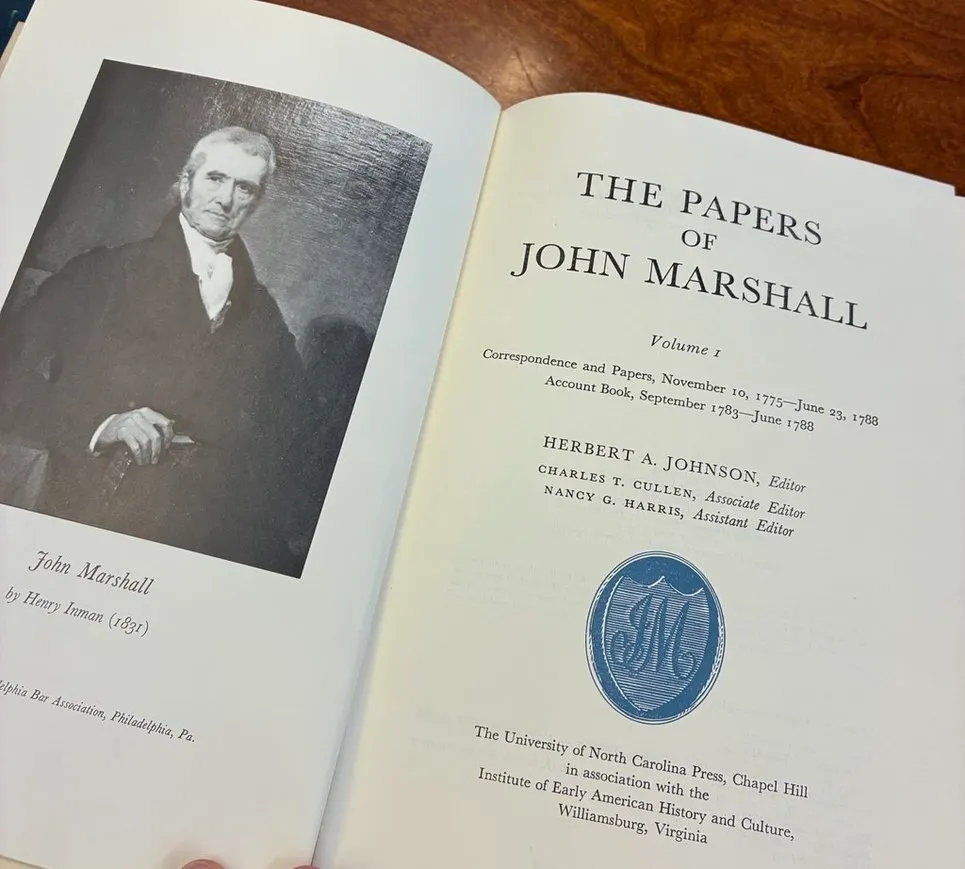
My copy of the book.
Who should read, buy, own this book?
If you love American history, are fascinated by the stories behind the famous names we've learned, want to know more about Thomas Jefferson himself, love reading letters, want to know about daily life in the late 18th and early 19th centuries, or simply want a solid reference book filled with primary sourced writing on your shelf: this book is for you.
You don't need to be an historian, researcher, academic, or even a blogger to read it. This book was shaped into a well-curated collection of historical happiness.
Buy it by clicking here. My ask: let me know if you've read it, your favorite passages, and pages you've flagged! Use the comment box or message me on Instagram here!
And if you want to see all my book recommendations, click here to open my Amazon storefront in a new tab.
Side note: If you visit CW, I can give you a Jefferson-family specific tour of the historic area included with a curated travel itinerary to this region focused on the family.
Click here to set it all up!

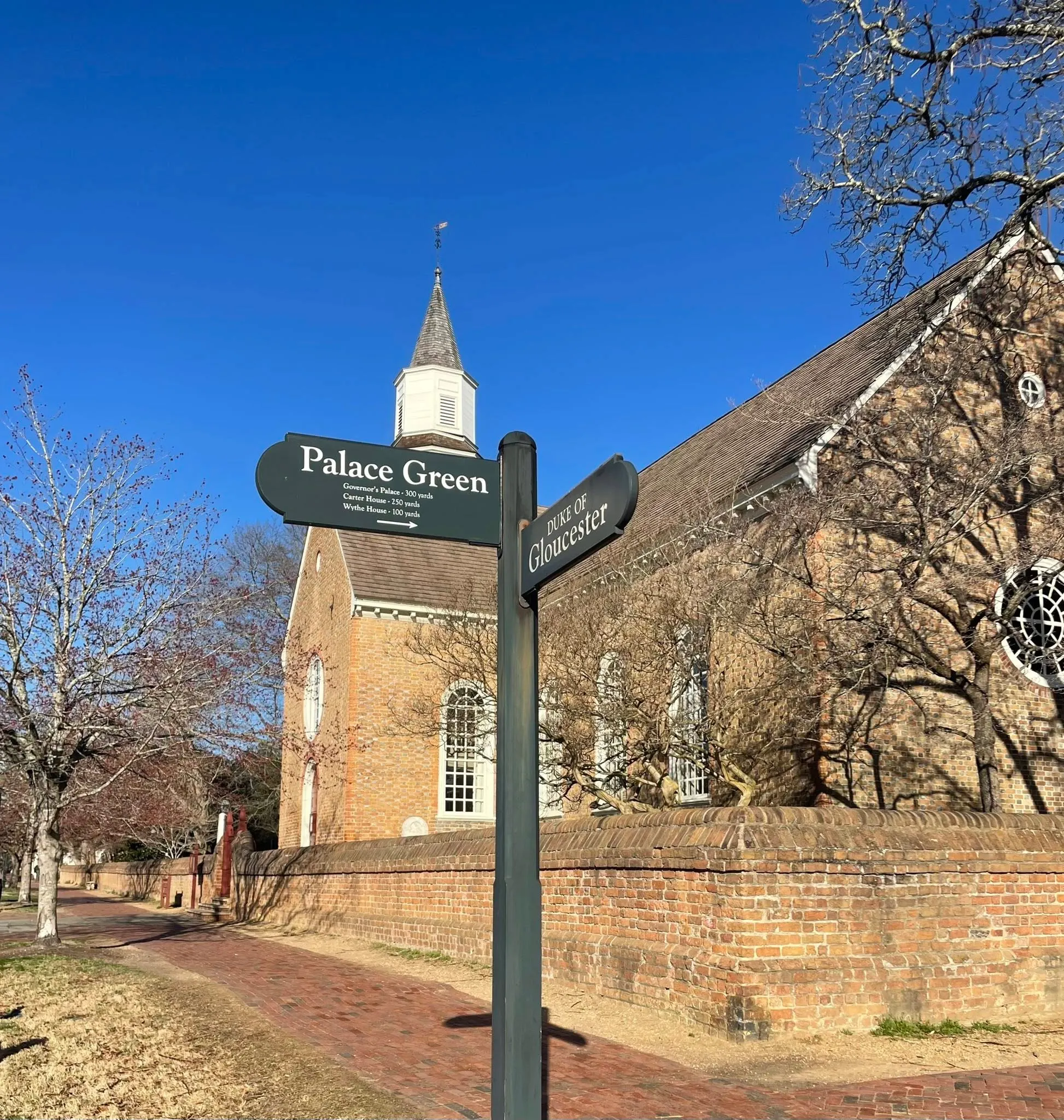
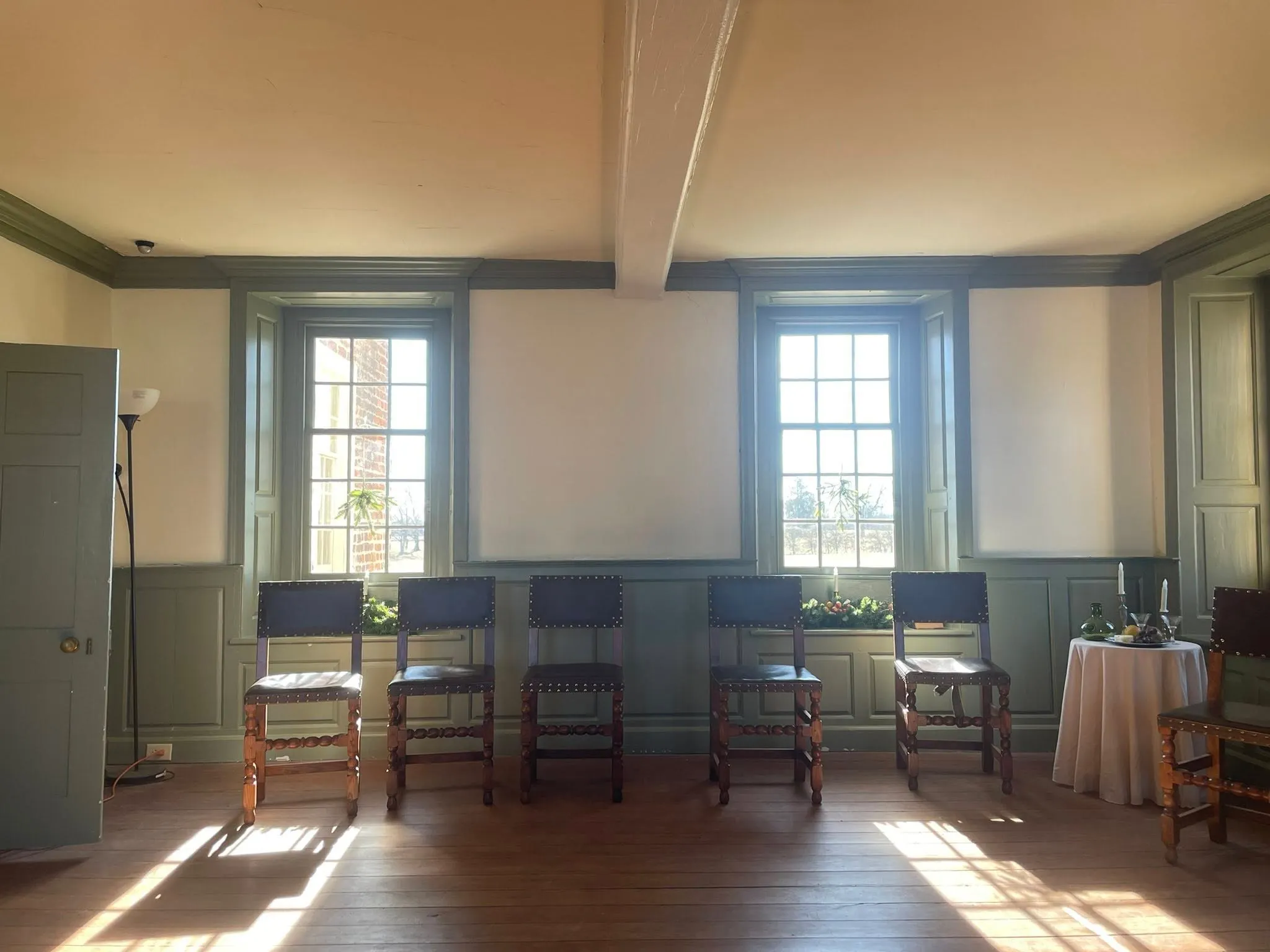
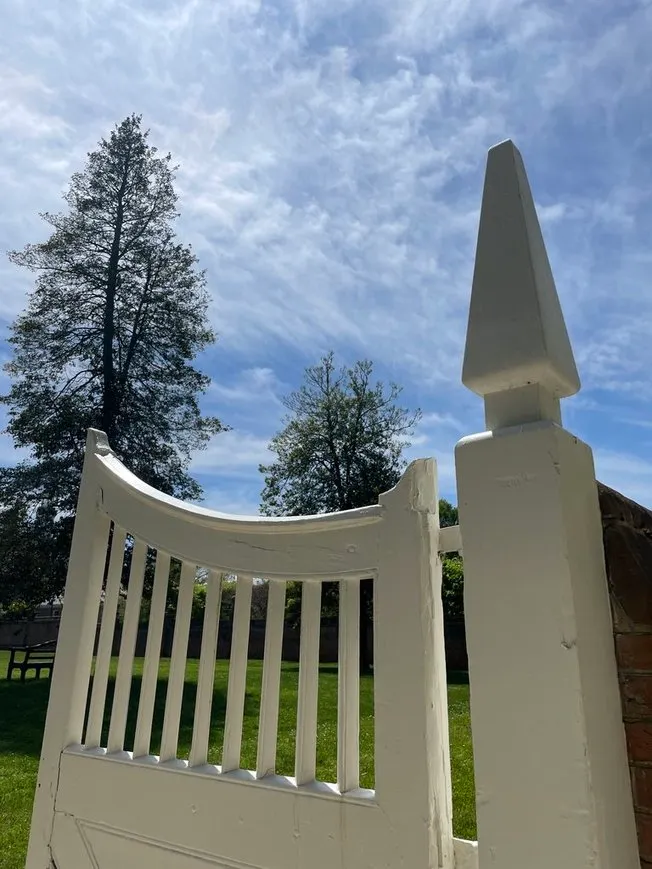
Wythe House, one location Jefferson studied in Williamsburg.
Closing words from history- directly from the book!
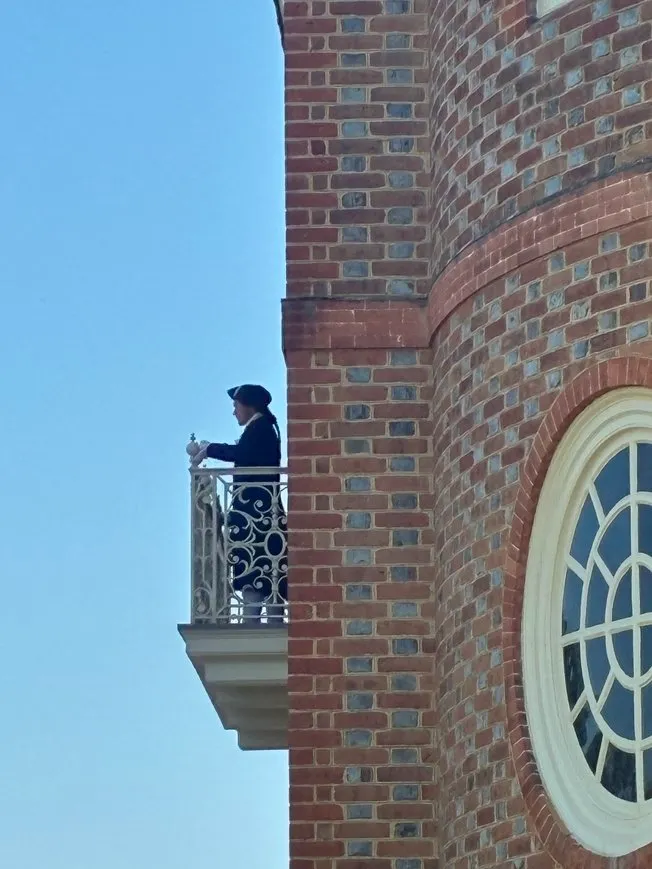
Hearing Colonial Williamsburg's Thomas Jefferson, Kurt Smith, on stage and speaking to the public, I've soaked in the words of Jefferson. And I now I have so many of those words on my nightstand.
I'm sharing one bit that caught my attention. Why did it?
If you've read my post about branding on the Free At 50 blog, you've seen my take on Jefferson's mention of being "Father of the University of Virginia." He wanted it inscribed on his tombstone, a clear indication of the importance he placed on this achievement.
Embedded in the midst of a letter containing much more, is an update on the University of Virginia to his granddaughter Ellen Randolph Coolidge. At this point, she'd had married and left Virginia for Boston.
Excerpt found on page 458 of The Family Letters of Thomas Jefferson (buy the book here!).
Dated from Monticello, August 27, 1825. Transcribed as is in the book, but broken into several paragraphs for ease of reading online:
"Our University goes on well. We have past the limit of 100. Students some time since. As yet it has been a model of order and good behavior, having never yet an occassion for the exercise of a single act of authority.
We studiously avoid too much government. we treat them as men and gentlemen, under the guidance mainly of their own discretion. They so consider themselves, and make it their pride to acquire that character for their institution.
In short we are as quiet on that head as the experience of 6. months only can justify. Our professors too continue to be what we wish them. Mr. Gilmer accepts the Law-chair, and all is well."
Do you want to support my efforts to share history through this free blog? Use my online tip jar and buy me a coffee:

There is a huge practical disclaimer to the content on this blog, which is my way of sharing my excitement and basically journaling online.
1) I am not a historian nor an expert. I will let you know I’m relaying the information as I understand and interpret it. The employees of Colonial Williamsburg base their presentations, work, and responses on historical documents and mainly primary sources.
2) I will update for accuracy as history is constant learning. If you have a question about accuracy, please ask me! I will get the answer from the best source I can find.
3) Photo credit to me, Daphne Reznik, for all photos in this post, unless otherwise credited! All photos are personal photos taken in public access locations or with specific permission.

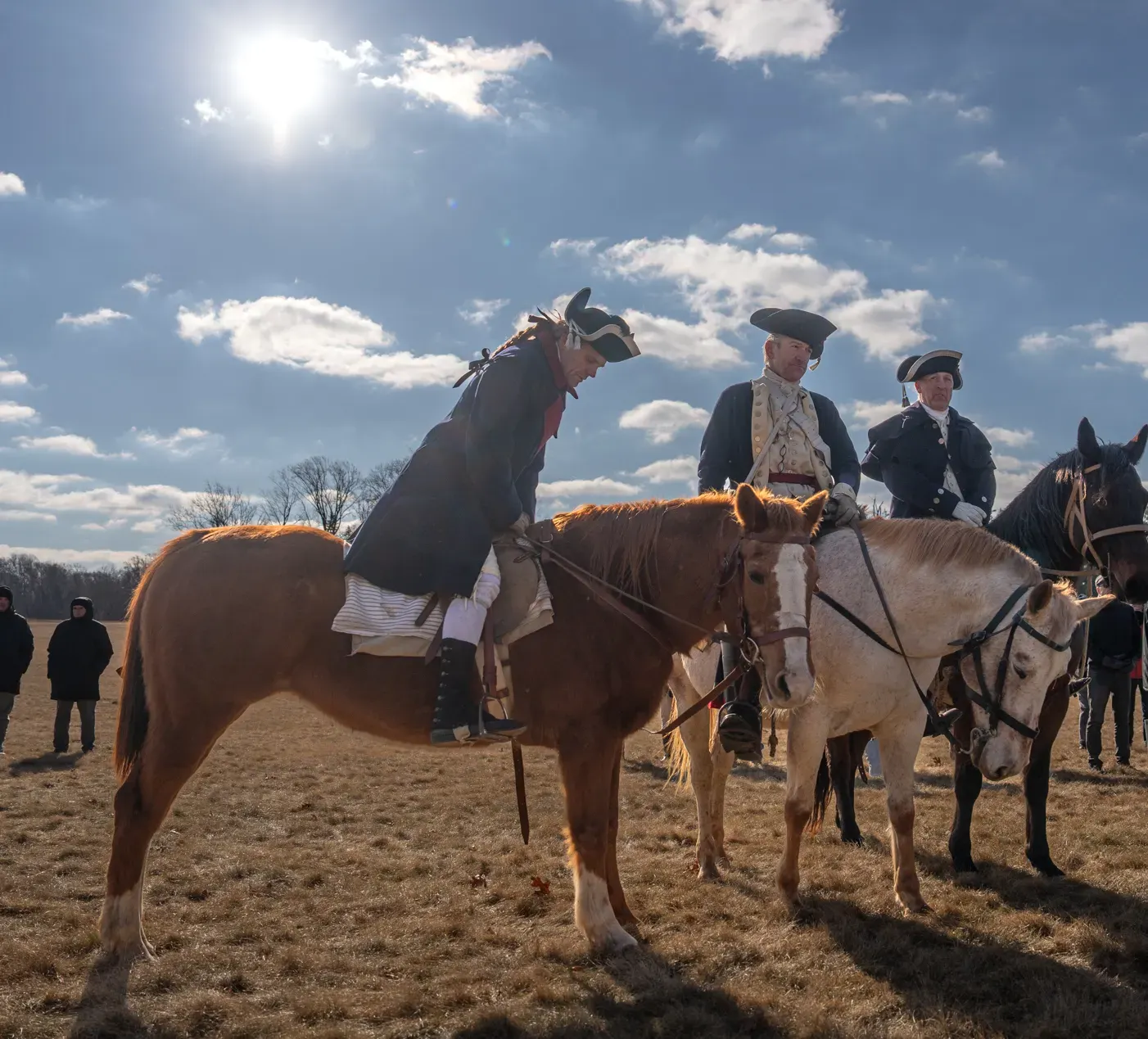
My photo of Jefferson, Merchant's Square, portrait mode
Popular Posts