Scented Season Inspiration: Jefferson's Pumpkin Pursuit
Scented Season Inspiration: Jefferson's Pumpkin Pursuit
Oct 10, 2026
Shifting gears and journal-blogging.
I’m taking a moment from a research-heavy pursuit on the blog to muse over Jefferson’s personal pumpkin pursuit. Specifically, his November 1796 result.
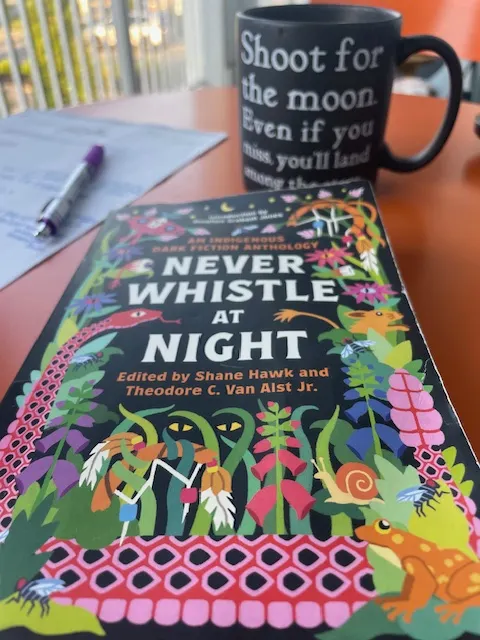
As I sip my morning coffee, Thomas Jefferson’s Garden Book on my left and my weekly task list on my right. The Poem Press’ poem about my blogging journey and business dreams in view.
It’s early October in Williamsburg, and though only a handful of leaves have started moving into shades of yellow or orange and the temperature hit 80 this week, it truly feels like fall.
Let’s be honest- since wandering the grocery store aisles in late August…the pumpkin spice offerings were on display. I always know that the immersive autumn experience kicks off when my Facebook feed is filled with ‘1st day of’ back-to-school photos.
Which, in turn, means pumpkin spice cereal, candy, cookies, tea, and coffee taking the lead at our shops.
Necessary disclaimer: As a blogger, I use affiliate links sometimes! I may receive commission from purchases I share; it does not change your price but sometimes you might get a discount.
RELATED: Click here to read about my Poem Press experience on my Free At 50 blog!
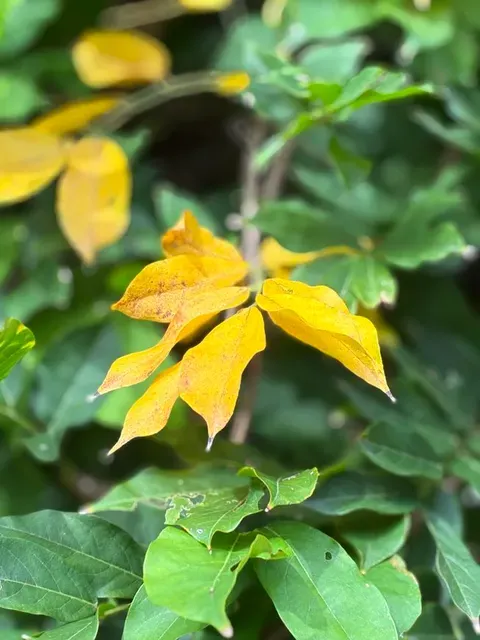
Leaves changing, October, 2026
Two things led me to Thomas Jefferson’s November entry before November.
It’s easy to get caught up in fall vibes, and I decided to embrace it all, peeking into autumns past.
The two things that led me to Jefferson’s November 1796 entry in his Garden Book:
1) Thomas Jefferson’s Garden Book is a go-to for me to see what was happening on a specific day, month, or year.
2) There is always something in it that leads my mind down multiple rabbit-holes.
RELATED: My blog post about one of my favorite gifts ever- Thomas Jefferson’s Garden Book.
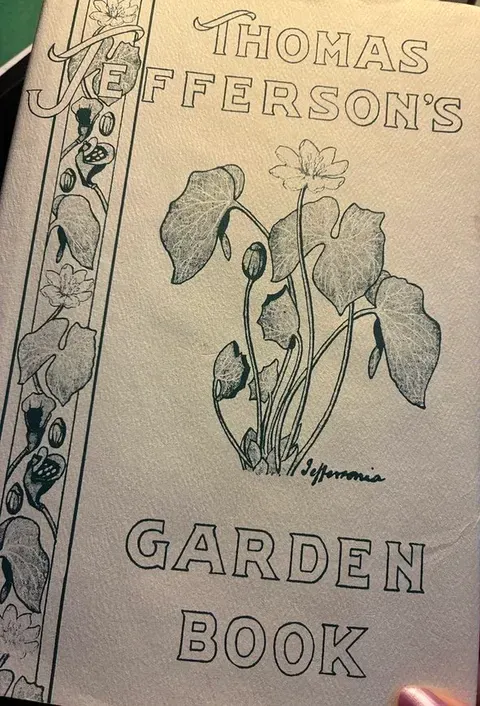
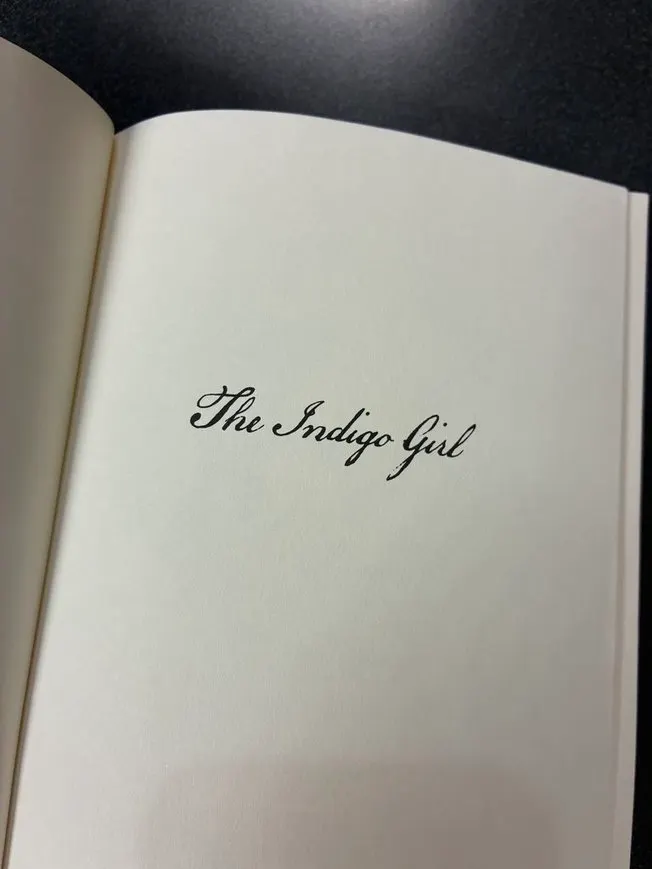
My copy of Jefferson's Garden Book
The pumpkin pursuit.
The entry.
Here is the entry I love so much, followed by two reasons why. Transcribed from the book, just as Edwin Morris Betts transcribed it on page 247:
Nov. 1796
“less than an acre of pumpkins have fed 9 horses at Shadwell 5 weeks, as well as a gallon & a half of corn a day would have done. equal then to 35. days x 9. horses, x 1 ½ gals of corn = 12 barrels of corn. besides this a great proportion of the pumpkins had rotted. an acre of pumpkins then is equivalent to 5. acres of corn.”
Citation: Thomas Jefferson's Garden Book 1766-1824, Annotated by Edwin Morris Betts, Memoirs of the American Philosophical Society, Volume 22, reprinted 1992
Reason 1: the pursuit itself (experimental farmer)
Books like Andrea Wulf’s Founding Gardeners, along with the Jefferson book share insight into the idea of 18th century experimental agriculture.
With independence on the horizon and then– a reality during Jefferson’s life, the importance of sustainability was critical. But also, understanding the opportunities for future commodities to sell across state lines and across the globe.
Pumpkins serving in the late 18th century as food for livestock as well as people. I've seen it used in Colonial Williamsburg's Palace Kitchen, a must-visit for foodies with tickets to the museum. And I just found this pumpkin pie recipe on Mount Vernon's website!
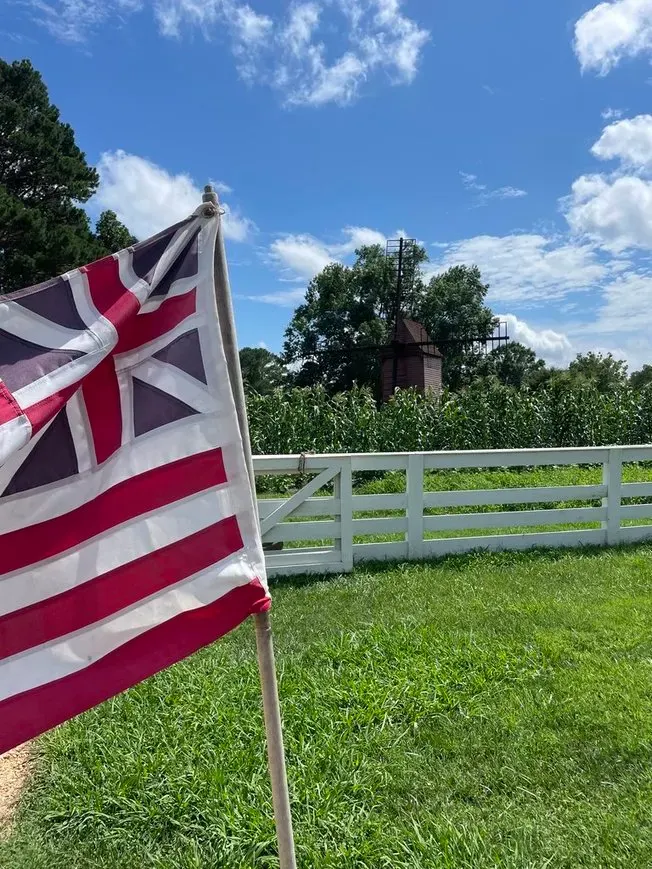
Personally, visiting Master Farmer Ed Schultz and his apprentices at Colonial Williamsburg's experimental 18th century farm, Ewing Field, is where I get inspired and educated. He dubs it his "lab" and it truly is!
Ewing Field is where I first learned of Founding Gardeners. Men like Jefferson, Washington, and Madison had the means to test new crops and venture into innovative farming methods.
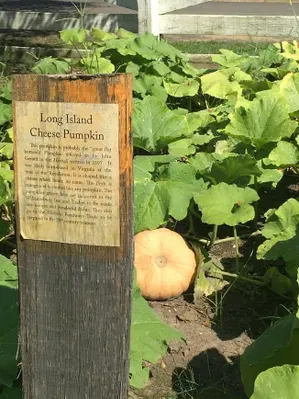
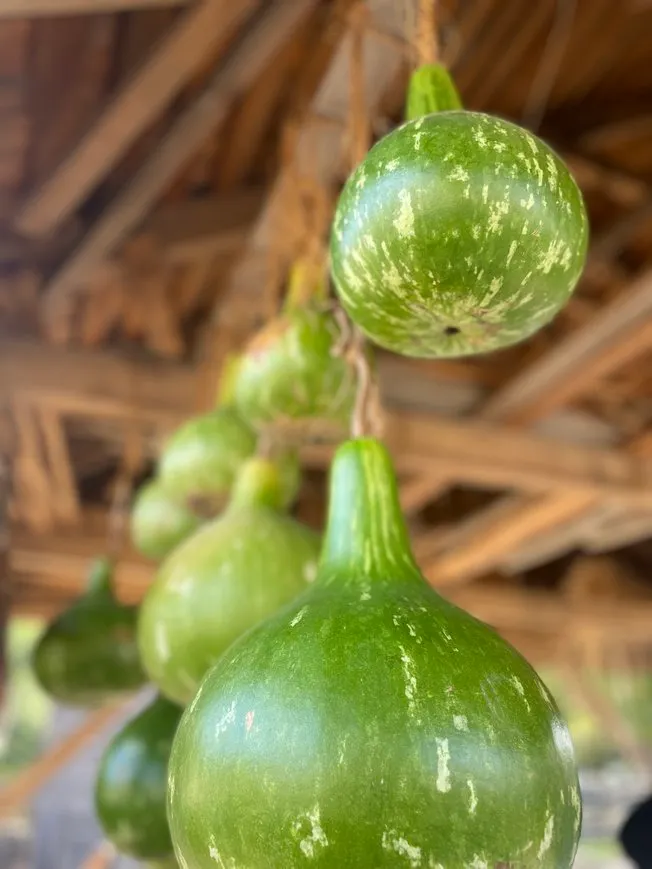
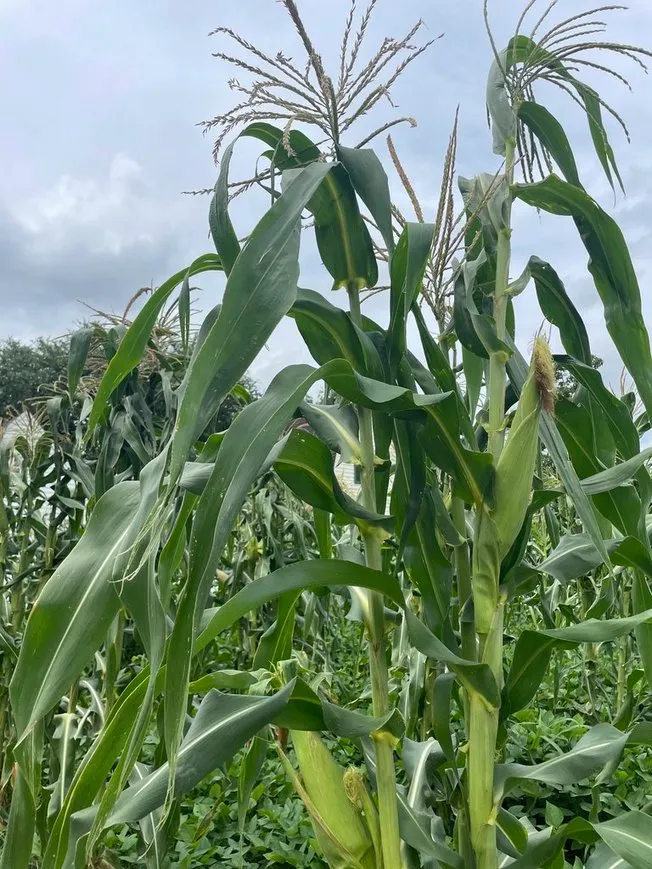
Pumpkin at Ewing Field, 2021.
RELATED: Click here to purchase Founding Gardeners.
Reason 2: so much context in so few lines
Clearly, there is the experiment and result of his pumpkin endeavor in this specific instance. However, it's not only the words themselves, but his thought process in putting quill to paper.
As in much (all!) of the entries throughout Jefferson's Garden Book: Jefferson’s mind is on display.
The more I read Jefferson's words, the more I'm fascinated by how his mind works. His precision in recording his discoveries related to climate, comparative crops, and use of our land is an honest expression of the care he takes in sharing that knowledge.
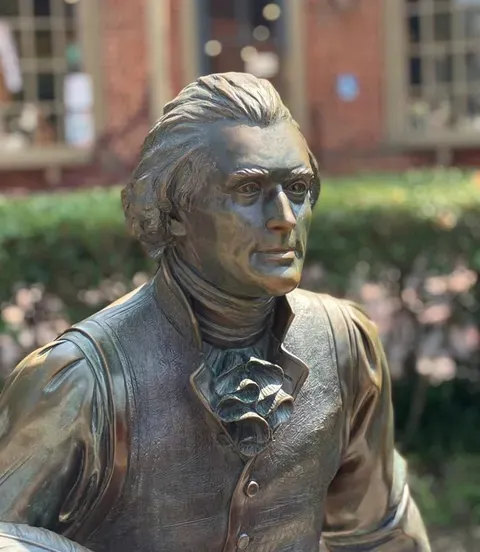
Thomas Jefferson statue, Merchant's Square in Williamsburg
Calls to action.
Read Jefferson’s words- and Betts’ masterful compilation and annotations about those words.
Click here to buy Thomas Jefferson’s Garden Book.
Ask me about Jefferson when you visit Colonial Williamsburg. Let's discuss a curated travel itinerary inside/outside this historic place to find more of Thomas!
And of of course, if you do visit - spend time with Master Farmer Ed and his team at Ewing Field, his "lab."
Click here to book a call with me.
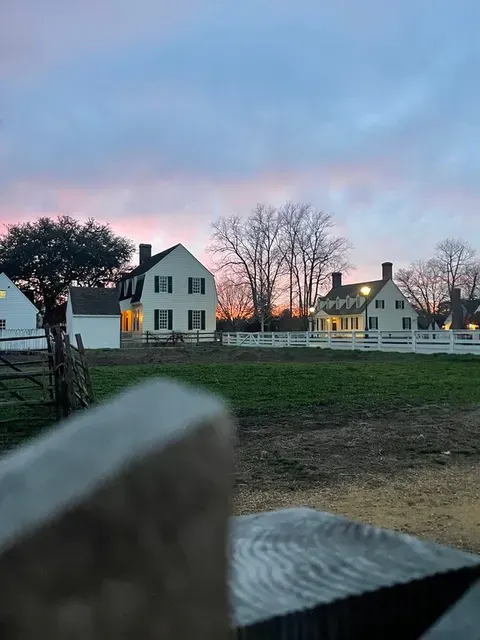
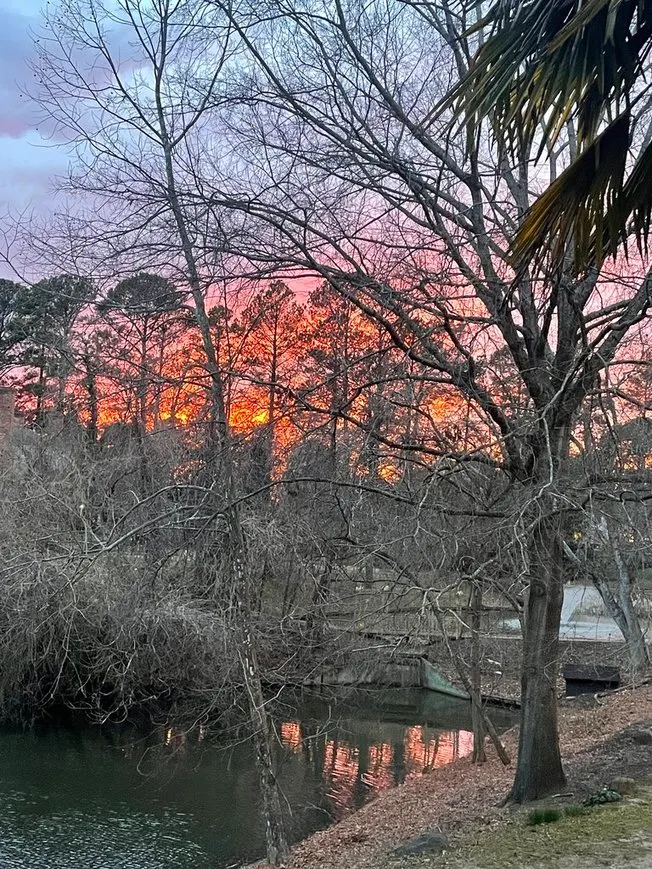
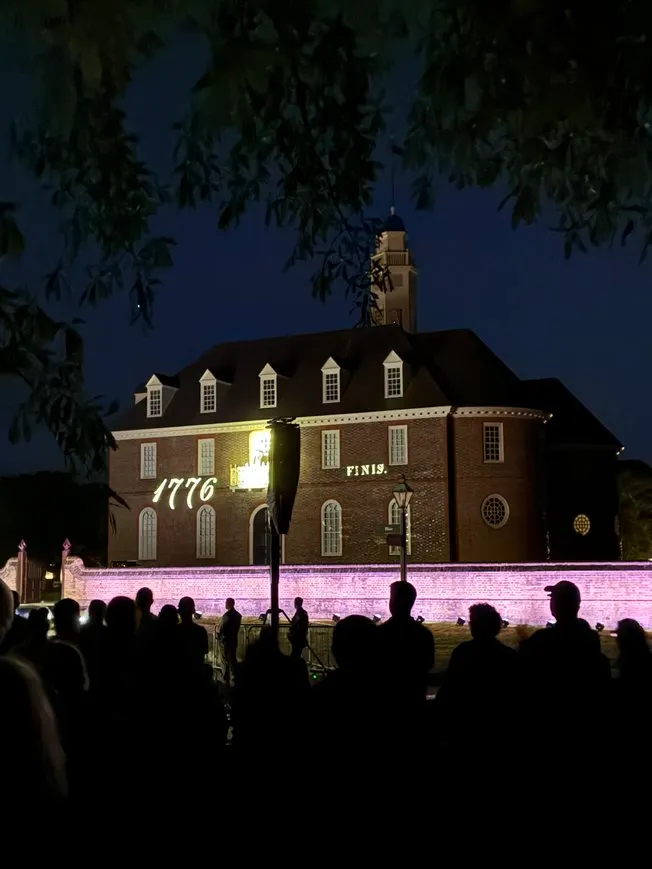
Evening view from outside Ewing Field
Closing words from history.
Today's hail from another favorite, The Family Letters of Thomas Jefferson.
In the spirit of autumn vibes and heading 'back to school,' two excerpts from an October 24, 1808 letter from Thomas to his grandson Thomas Jefferson Randolph (called Jefferson by the family).
This letter offers advice to young Jefferson as he begins his studies. Clearly, Thomas was engaged in his grandson's success in gaining knowledge!
My transcription, from page 353:
"As the commencement of your lectures is now approaching, and you will hear two lectures a day, I would recommend to you to set out from the beginning with the rule to commit to writing every evening the substance of the lectures of the day. It will be attended with so many advantages. It will oblige you to attend closely to what is delivered to recall it to your memory, to understand, and to digest it in the evening; it will fix it in your memory, and enable you to refresh it at any future time.
....
Then if once a week you will, in a letter to me, state a synopsis or summary view of the heads of the lectures of the preceding week, it will give me great satisfaction to attend to your progress, and it will further aid you by obliging you still more to generalize and to see analytically the fields of science over which you are travelling."
Citation: The Family Letters of Thomas Jefferson, Edited by Edwin Morris Betts and James Adam Bear, Jr., The University Press of Virginia c. 1966
For this book and all of my other favorites, click here and head over to my Amazon storefront!
Are you enjoying this free blog? I created an online tip jar! Use it to both keep me caffeinated and able to continue my dives into our shared history--- buy me a coffee:

There is a huge practical disclaimer to the content on this blog, which is my way of sharing my excitement and basically journaling online.
1) I am not an academically trained historian. I will let you know I’m relaying the information as I understand and interpret it through my diligent research. The employees of Colonial Williamsburg base their presentations, work, and responses on historical documents and mainly primary sources.
2) I will update for accuracy as history is constant learning. If you have a question about accuracy, please ask me! I will get the answer from the best source I can find.
3) Photo credit to me, Daphne Reznik, for all photos in this post, unless otherwise credited! All photos are personal photos taken in public access locations or with specific permission.