205 Years on the Calendar, 205 Posts on the Blog: A This Year in History Snapshot of 1821
205 Years on the Calendar, 205 Posts on the Blog: A This Year in History Snapshot of 1821
Jan 31, 2026
In a year of 250s, I'm doing a snapshot marking 205.
I love randomly taking a peek into the past- specifically, looking at what happened on a specific date in history. The current vibe for American history is everything "250" - as it should be!
July 2nd marks 250 years since the vote was taken in Philadelphia for American Independence and July 4th the date we adopted our Declaration of Independence!
But realizing my next blog post would be my 205th, I mused on the transposition of 250 and how excited I am that I'd topped 200 posts written for this blog!
So here we are. Post 205, looking back to what happened 1821.
In the year of Napoleon's death in exile on the remote island of St. Helena, and President James Monroe taking his oath of office upon re-election here in the United States of America... what else happened?
Lots. So let's just do a snapshot of American history, shall we?
RELATED: Click here to dig around my "this day in history" category on this blog!
Necessary disclaimer: As a blogger, I use affiliate links sometimes! I may receive commission from purchases I share; it does not change your price but sometimes you might get a discount.
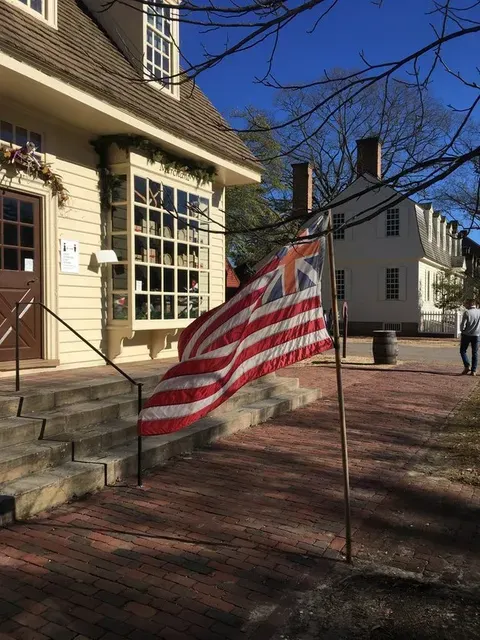
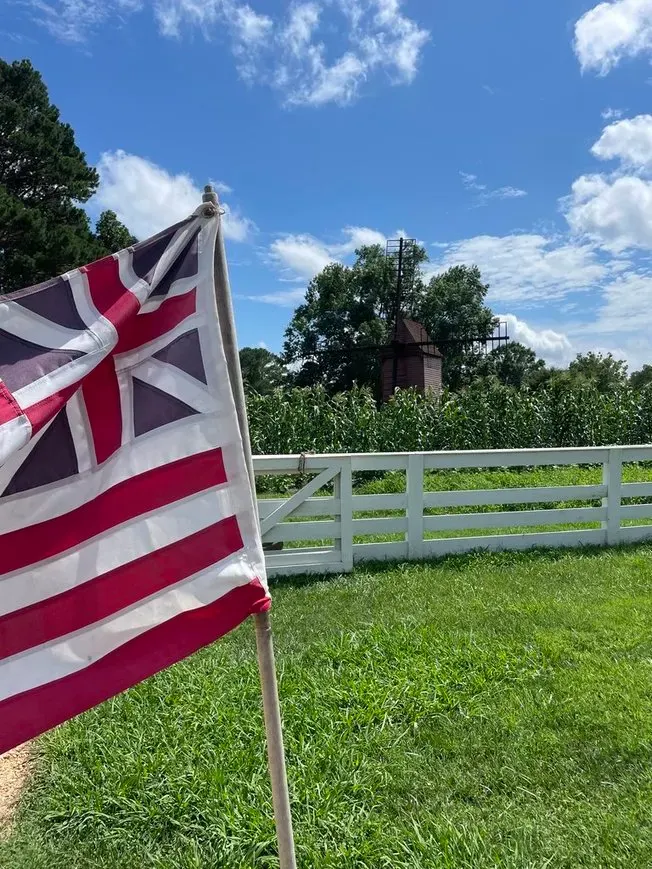
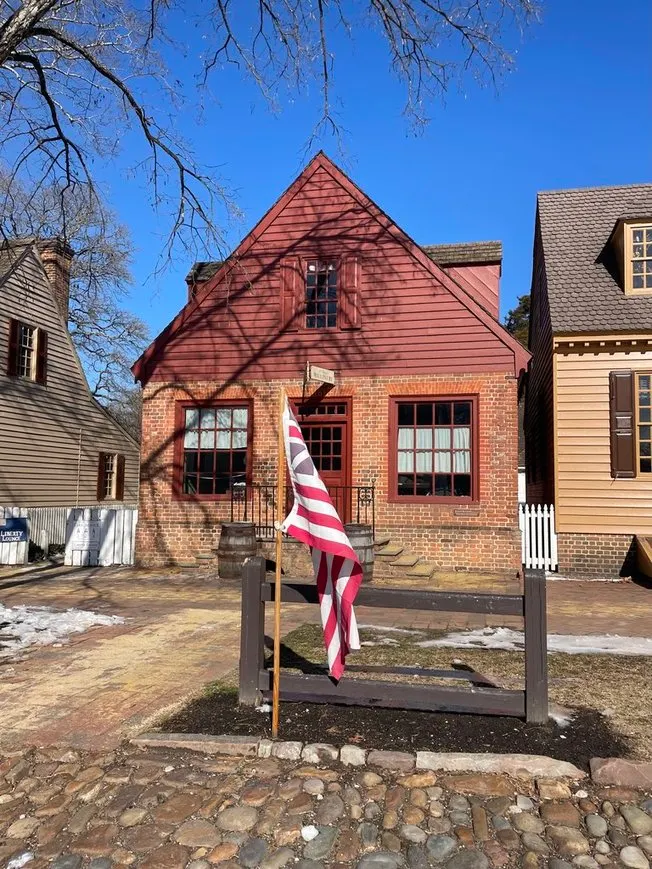
Flag on Duke of Gloucester Street, Colonial Williamsburg.
4 notable events that happened in 1821.
Historic event 1: the first female American M.D. was born.
Have you heard of Dr. Elizabeth Blackwell of New York? Actually she was born in England. Making her way to this side of the big pond, she attended and received a medical degree from the Geneva Medical College.
She was a Quaker who bounced around a bit upon arrival, ultimately getting support from the Quaker community in Philadelphia with settling into college across state lines in New York.
So in 1849, that made her the first female to earn a medical degree in the United States. She did go back to England in the 1860s, specifically London (permanently) but we can still claim her for all the years she dedicated to serving the needs of women through obstetrics and gynecology here in the states.
Her legacy lives on as, according to the National Library of Medicine's website: "She also helped found the National Health Society and open the first medical college for women in London - the London School of Medicine for Women."
Learn more detail about Dr. Blackwell here.
Historic event 2: the stage was set for dry-cleaning.
Invented in America! In the 1790s, America was young and new things were being created (in the legislative and legal sense). The ability to patent was one of them.
And in 1821, a man who was "a well-known tailor among gentlemen of wealth and taste" per the Journal of Antiques' website created the foundation of modern-day clothing-cleaning convenience.
Dissatisfaction with then-current methods of cleaning wools, silks, and fine textiles, this tailor decided to experiment and create a better way. While Jennings' patented method of dry-scouring is lost due to fire and time, it's widely considered the forerunner to modern-day dry cleaning.
Dive deeper into Jennings and his patent, as well as the details about a fire causing the loss of so many patents, by clicking here to the Journal of Antiques article.
For me, I've got more questions for our Colonial Williamsburg's tailors after learning about Jennings!
RELATED: Open Monticello's website by clicking here to read about Thomas Jefferson (inventor!) and his role in passage of the Patent Act of 1793.
RELATED: My tailor post on this blog!
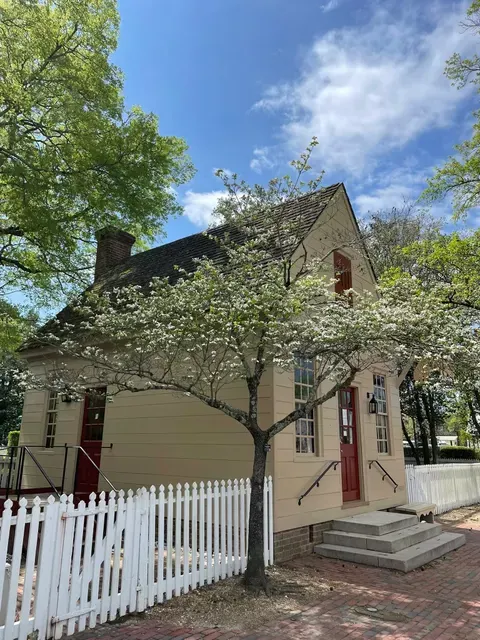
Colonial Williamsburg's tailor trade interpreted here.
Historic event 3: Missouri gains statehood.
On August 10, 1821, President Monroe signed a proclamation giving statehood to Missouri! This action by our 5th president made it our 24th state.
There's rich history in Missouri.
- the start of expedition on the 800-mile Santa Fe Trail (also in 1821) by a man named named Becknell from Franklin
- intense debates about the practice of slavery and judgements and legislation resulting from such debates, including Henry Clay and the famous Missouri Compromise and the Dred Scott Decision of the 1850s
- opening of the first state university (now the University of Missouri) west of the Mississippi
And so much more.
Click here to open the Missouri Secretary of State's Digital Archives and read the proclamation. I love the verbiage: "equal footing with the original states" at the bottom of the scan.
Click here to read more detail on the journey into statehood from the land purchase in 1804 by the United States to territory in 1812. There's also a cleaner transcription of the proclamation.
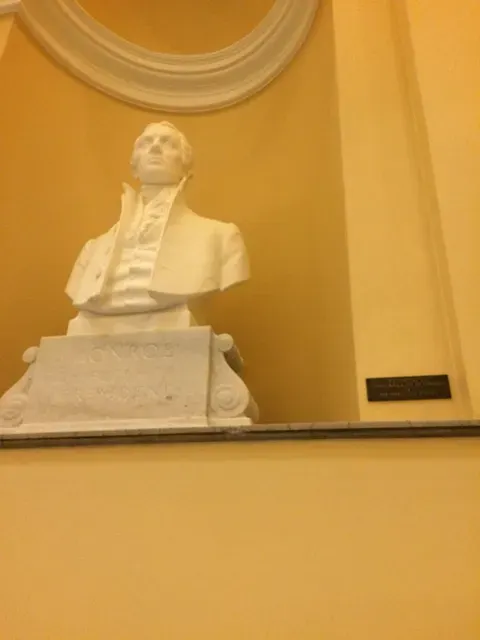
James Monroe bust, Virginia State Capitol Building.
Historic event 4: a nurse whose actions are legendary was born.
On Christmas Day, 1821, Clarissa "Clara" Barton was born. Founder of the American Red Cross, Nurse Barton began life in North Oxford Massachusetts. After moving to Washington D.C. and being one of the first women to work in federal government, she was around for the start of the United States Civil War.
You might know that the Red Cross was organized internationally. Barton's experience overseas as a member of their committee during the Franco-Prussian War, and her work as a volunteer on the battlefields here in the U.S., inspired her to begin our American version.
The American Red Cross was started by Barton in May of 1881. She served as President until her retirement in 1904.
Learn more here about Clara Barton, nicknamed the "angel of the battlefield."
Calls to action- just because.
I hope you enjoyed this little blog post celebrating a big milestone: 205 blog posts on What American History Is About!
Your support and feedback is appreciated! Subscribe to the blog if you haven't already and feel free to connect with me via email once subscribed.
Another option is direct-messaging on Instagram or the comment boxes at the bottom of the page if you have any additional thoughts or information on the topics covered in this post!
My big call to action before you end with the closing words from history down below, book a walking tour in Colonial Williamsburg with me if you visit this area- for America's 250th or into the future!
Open a new tab here to get the details.
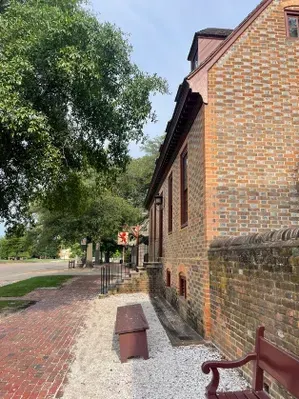
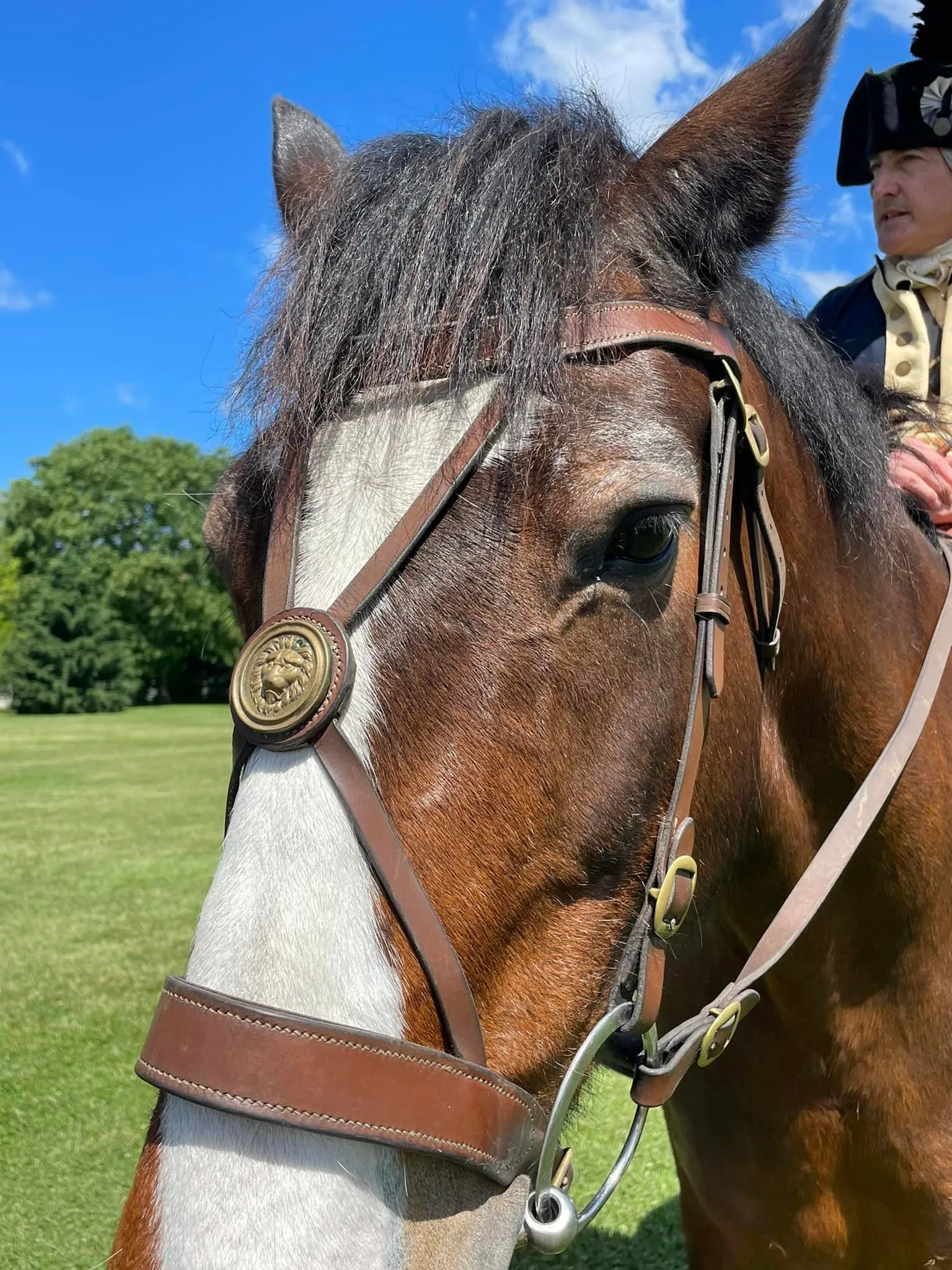
Red Lion Tavern, CW
Closing words from history.
On the mind of President Monroe in March of 1821- bills from editors for unread newspapers! Seeking advice from his predecessor, James Madison.
Click here to read the letter in full on the Founders Archives- because there's so much more to it!
From James Monroe
Washington March 31. 1821
Dear Sir
Since I have been in this office many newspapers have been sent to me, from every part of the union, unsought, which, having neither time nor curiosity to read, are in effect thrown away. I should have stopped the practice, but from delicacy to the Editors, & expecting also, that they would subject me to no charge. Lately I have been informed that the same practice took place in your time, & had been tolerated till you retird, when the editors sent you bills for the amount of the subscription, to their papers, for the eight years, making an enormous sum. Be so kind as to inform me whether this was the fact, as in case it was, I may write to the Editors (a few excepted, & very few) not to send them.
Are you enjoying the history I'm sharing on this blog? Use my online tip jar and buy me a coffee:
There is a huge practical disclaimer to the content on this blog, which is my way of sharing my excitement and basically journaling online.
1) I am not a historian nor an expert. I will let you know I’m relaying the information as I understand and interpret it. The employees of Colonial Williamsburg base their presentations, work, and responses on historical documents and mainly primary sources.
2) I will update for accuracy as history is constant learning. If you have a question about accuracy, please ask me! I will get the answer from the best source I can find.
3) Photo credit to me, Daphne Reznik, for all photos in this post, unless otherwise credited! All photos are personal photos taken in public access locations or with specific permission.
Popular Posts