Year 26s of American History: Let's Review 1626, 1726, 1826, and 1926 as 2026 Kicks Off!
Year 26s of American History: Let's Review 1626, 1726, 1826, and 1926 as 2026 Kicks Off!
Jan 05, 2026
American history is not only made up of major, memorable events.
I met a woman from just a bit west of here the other day. She was from Charlottesville (yes, home of Jefferson's Monticello) and turned out to be my age.
She also has a shared passion for learning history as an adult.
As we left our seats after watching Patrick Henry on stage here in Colonial Williamsburg (CW), we talked about how much history we didn't learn in school. But that's ok - in school, we only had weeks, sometimes days, to spend on a topic related to American history.
It's up to us to dig deeper. Every time I have a conversation like this, it's a reminder why I'm so passionate about this blog, sharing what I can- because every little bit adds up. Posts like this one, full of random tidbits, are an example.
If you read my previous blog post, you know that "year 25s" was one of the most-searched and clicked posts of 2025. So of course, I have to do the same for 2026- some big events, some lesser-known, all happening in 1626, 1726, 1826, and 1926.
In my opinion, this is a perfect way to enter into a new year, digging deeper into our shared American history.
Necessary disclaimer: As a blogger, I use affiliate links sometimes! I may receive commission from purchases I share; it does not change your price but sometimes you might get a discount.

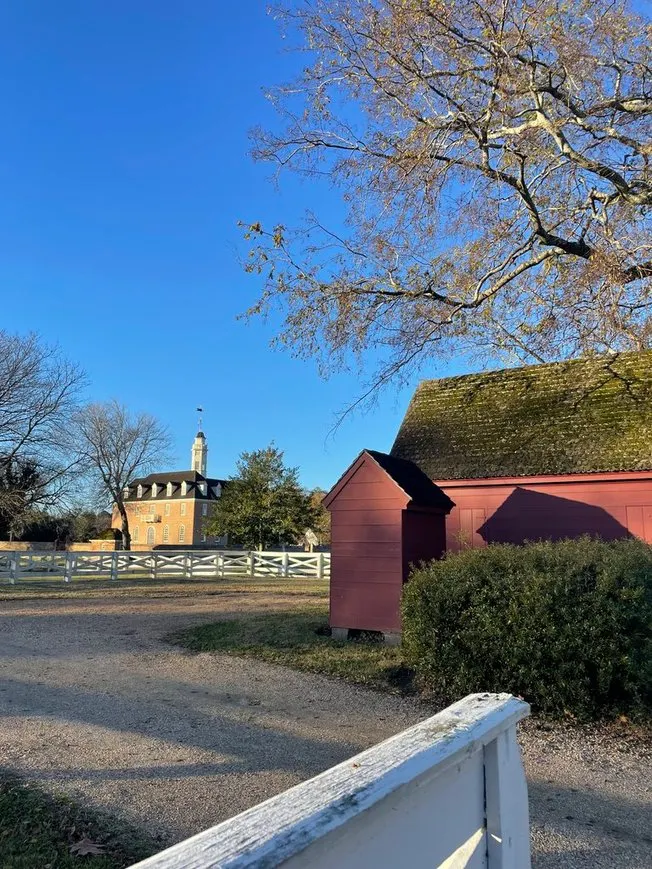
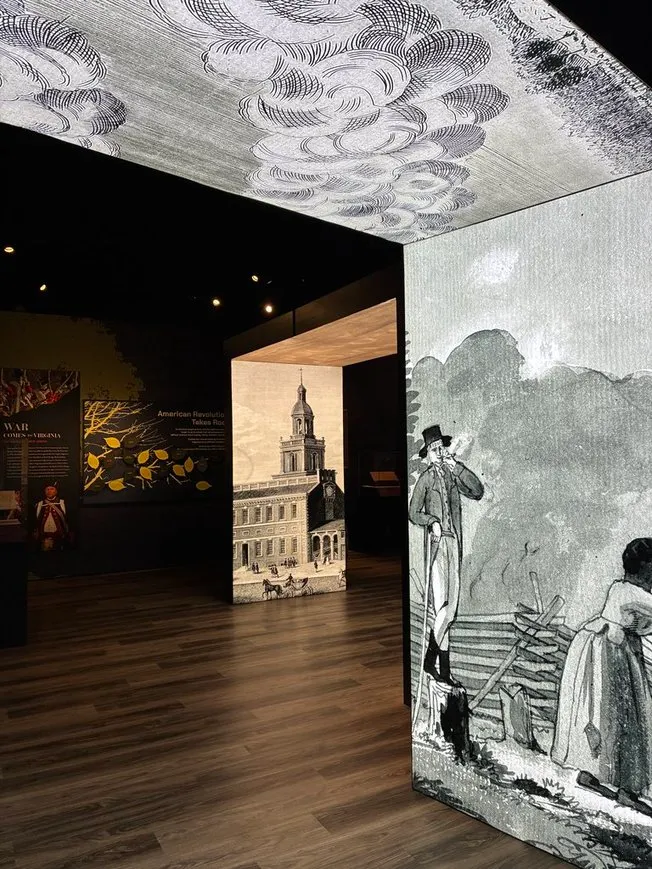
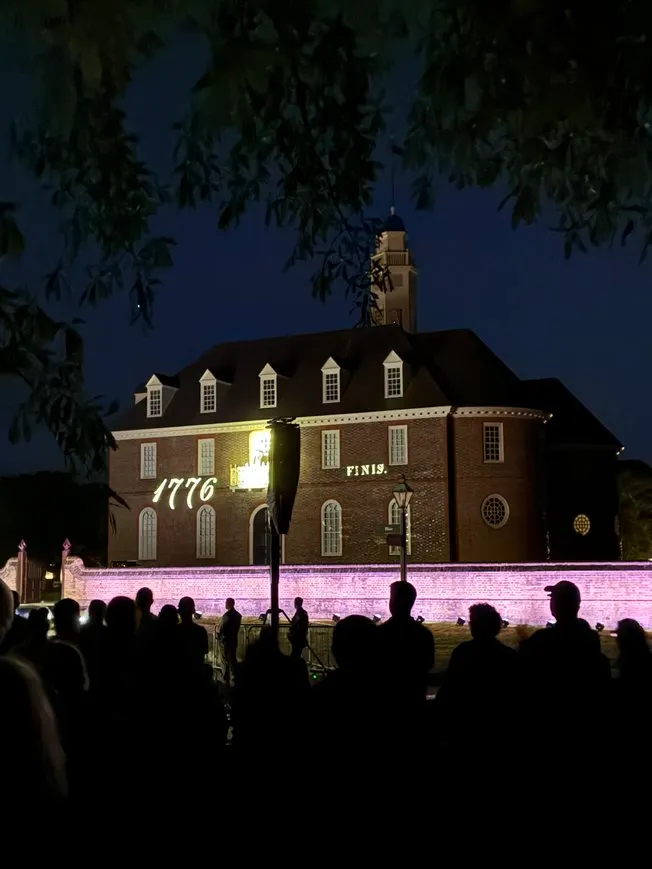
Photo taken on a January 2026 walk in CW
1626
- The Dutch get Manhattan! (sort of) A man named Peter Minuit, Director of the Dutch Colony of New Netherland, made payment to the Lenape people in order to gain Manhattan. The details seem a bit gray, but it happened. Read more here on the New York City Landmarks Preservation Commission website.
- King Charles I disbanded Parliament in England. It was one of many actions leading to his ultimate demise (execution!). How did this event impact English subjects on this side of the water? How did all the actions of this controversial king impact the Colonies? Questions to dive deeper into for sure. Jamestown had come through the Starving Time and our earliest Colonies were in a period of expansion and settlement so it may be worth researching further...
- The Sparrow Hawk left London for Jamestown and never made it. Shipping was the mode of transport to/from England to the Colonies but also, the way in which news was shared, families stayed connected, and commerce ensued. In 1863, storms uncovered a portion of the wreckage off the coast of Massachusetts. Dive deeper here and find out what happened to the people on board, as well as with the discovery of the wreckage.
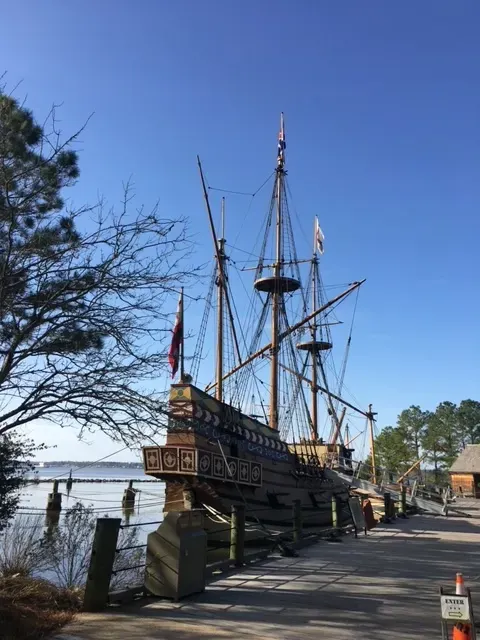
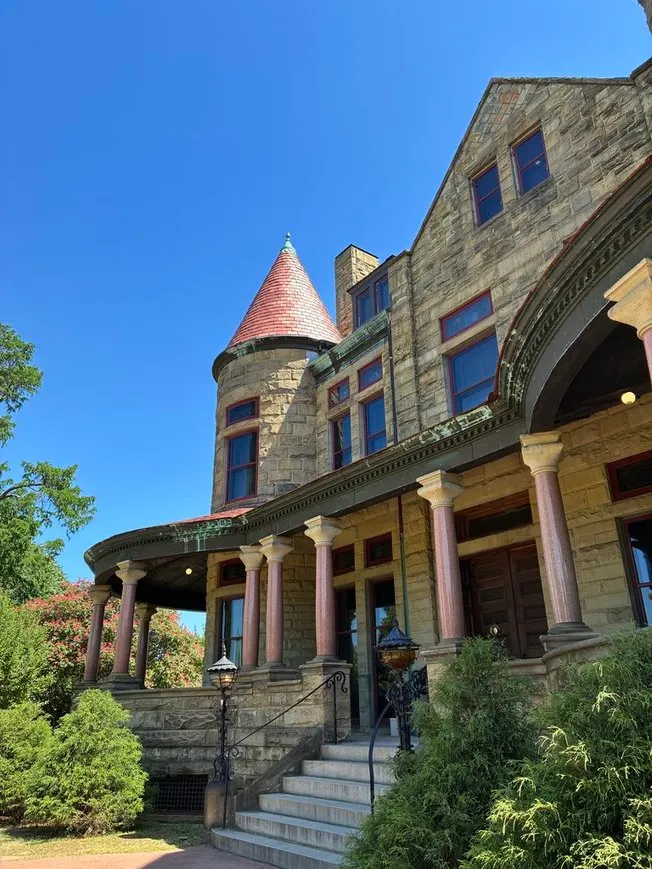
Replica ship at Jamestown Settlement
1726
- George Wythe was born and the destiny of America set on course. Mentor to Thomas Jefferson, teacher of President James Monroe and Chief Justice John Marshall- and many more who played a role in creating and shaping this nation. He was so well-respected, Virginia delegates left the 'top line' for him to sign on the Declaration of Independence since he wasn't able to sign it early on. Read more about this fascinating man on CW's website.
- Speaking of impact and education, Isaac Newton died in 1726. His work was not only praised, but studied by Americans. In fact, I ran across this document, wherein an author discusses his influences in mathematics curricula. Title of the document: "The Newtonian Epoch in the American Colonies 1680-1783."
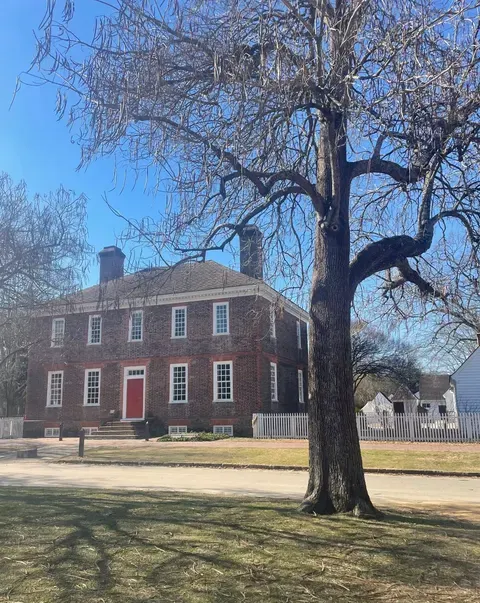
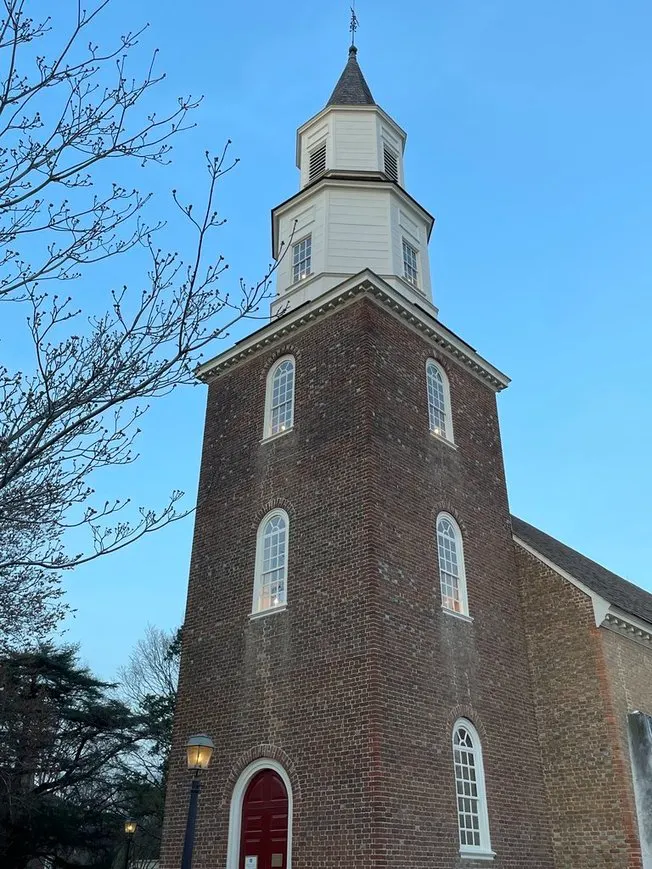
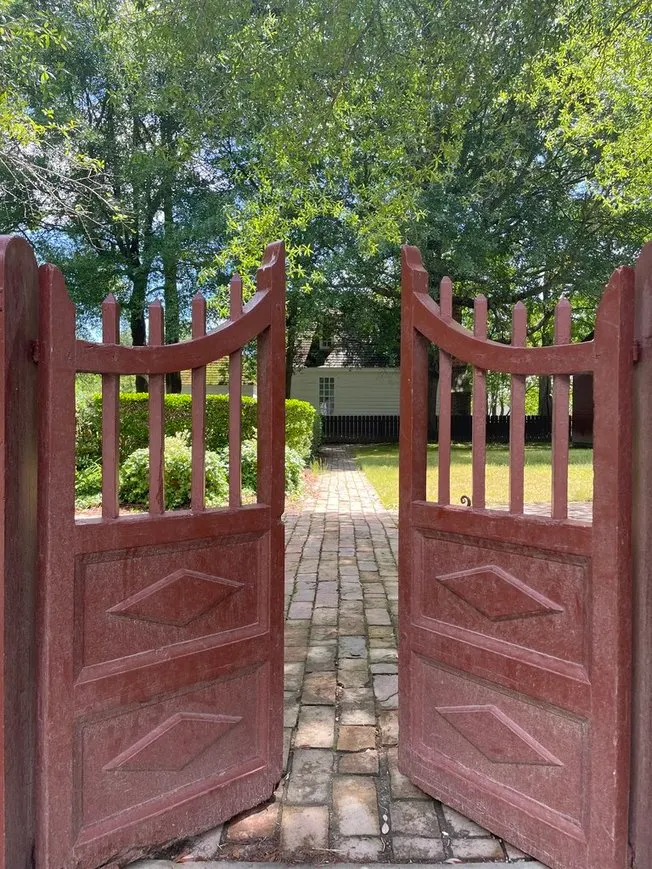
Wythe House, Williamsburg, Virginia.
1826
- The American Temperance Society was formed in Boston. It kept gaining momentum through the 19th century into the early 20th. Ultimately, the Volstead Act (Prohibition: the 18th amendment) was adopted in October of 1919, but later repealed in 1933 (21st amendment). Click here to see more about the Society.
- July 4: Thomas Jefferson and John Adams both pass away. 50 years to the day after the signing of the Declaration of Independence. While Jefferson was the primary author, Adams served on the committee of five with him in presenting the document to the full Congress. Their relationship is truly fascinating and if you want to dig deeper, click here to purchase The Adams-Jefferson Letters: The Complete Correspondence Between Thomas Jefferson and Abigail and John Adams. In my opinion, the best way to get to know a person from the past is to read their own words.
- General George B. McClellan was born in Philadelphia on December 3rd. Known most for his service during the United States Civil War, his military career began at West Point followed by service during the Mexican-American War. An esteemed engineer throughout his adult life, he also held political office as New Jersey's Governor. Read more here on the National Park Service's website.
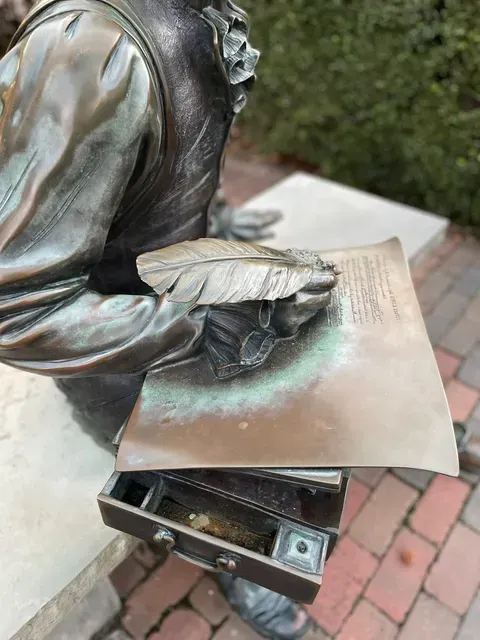
Jefferson statue, Merchant's Square, Williamsburg
1926
- Calvin Coolidge wrote a letter to his father. He wanted to share a major political gain with his dad, who would pass away the same year. What was it? The Senate approval for the United States to join the world court. In the end, it didn't happen. Nonetheless, this little insight into President Coolidge and the writing between father and son was something that caught my attention. Read more here on the Coolidge Review.
- NBC began. His vision began a few years earlier, but in 1926, David Sarnoff founded the NBC (National Broadcasting Company) that lives on today. It was to be the nation's "first permanent radio network." Read more about the history and timeline of NBC on their website.
- The 40-hour workweek was also born in 1926. After changing the "workweek" at Ford from 6 days to 5 in 1922, Henry Ford took it a step further in 1926. He adopted a 40-hour workweek. This was the start of what was to become a standard practice amongst manufacturers. Click here to dig a little deeper.
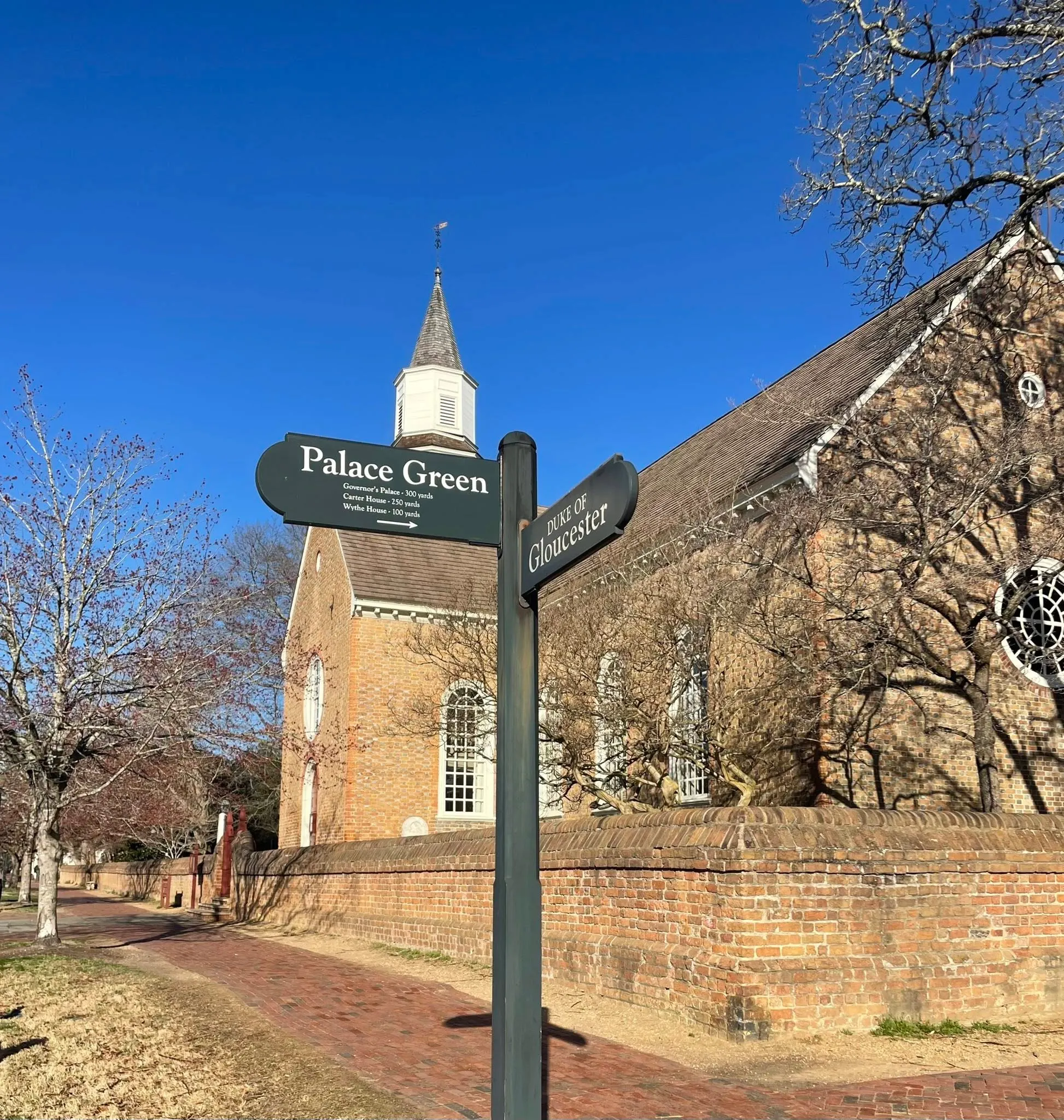
And of course: 1926 marks the 100th anniversary of the first building purchased by John D. Rockefeller for the reconstruction of Colonial Williamsburg into what's currently the largest living history museum!
That building, the Ludwell-Paradise House, stands on the iconic Duke of Gloucester Street.
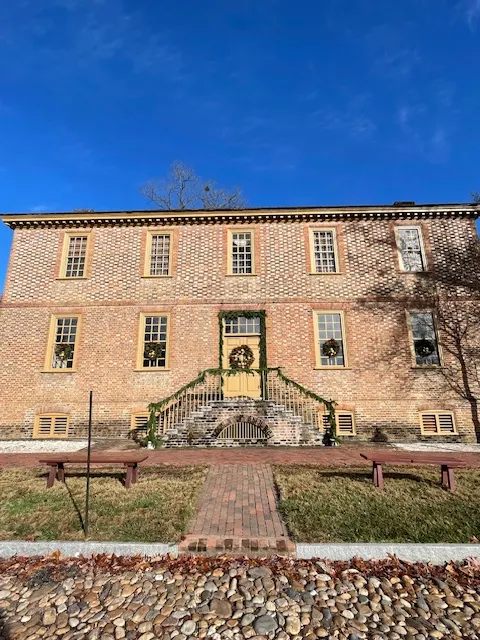
Ludwell-Paradise House in Colonial Williamsburg
What will 2026 bring?
In addition to celebrations throughout our United States honoring America's 250th birthday, I hope it will offer up more opportunities for me to bring this blog to life.
From my collaborations and partnerships, to affiliate products and customized tours for visitors to CW, my goal is to continue growing this blog. And grow what's become a community, thanks to you all!
Before our closing words from history- I'll ask again this year:
- What will this new year bring for you?
- Will it include a little history?
And offer up three calls to action for 2026:
1) Tips to celebrate our 250th daily. Click here.
2) Download the ExploreHere app to find history everywhere!
3) Get in touch with me to set up a customized tour of CW... or a travel itinerary for your trip to Virginia in 2026! Click here.

ExploreHere app I recommend.
Closing words from history.
An excerpt from the March 2, 1626 Proclamation by King Charles I, intending to disband Parliament. His often tumultuous reign and relationships with those in power led to his final moments in 1649; wherein he was executed as a traitor.
If you want to dig deeper, here is a highly rated biography for you!
Does the sentiment of King Charles I's words ring familiar in a year we celebrate the actions of 1776's Continental Congress?
Read the full transcription and see an image scan here. (Note: I've broken one long paragraph into several for easier reading.)
By the King.
A Proclamation about the dissolving of the Parliament.
Whereas we, for the general good of Our Kingdom, caused our high court of Parliament to assemble and meet, by Prorogation on the twentieth day of January last past, since which time the same has been continued.
And although in this time, by the malevolent [bad] dispositions of some ill affected persons of the House of Commons, we have had sundry [many] just causes of offence and dislike of their proceedings, yet we resolved with patience to try the utmost, which we the rather did, for that we found in that house a great number of sober and grave persons, well affected to Religion and government and desirous to preserve unity and peace in all parts of Our Kingdome.
And wherefore, having on the five and twentieth day of February last, by the uniform advice of Our Privy Council, caused both houses to be adjourned until this present day, hoping in the mean time, that a better and more right understanding might be begotten between Us and the members of that House, whereby this Parliament might have a happy end and issue.
Are you enjoying the blog? Use my online tip jar and buy me a coffee:

There is a huge practical disclaimer to the content on this blog, which is my way of sharing my excitement and basically journaling online.
1) I am not a historian nor an expert. I will let you know I’m relaying the information as I understand and interpret it. The employees of Colonial Williamsburg base their presentations, work, and responses on historical documents and mainly primary sources.
2) I will update for accuracy as history is constant learning. If you have a question about accuracy, please ask me! I will get the answer from the best source I can find.
3) Photo credit to me, Daphne Reznik, for all photos in this post, unless otherwise credited! All photos are personal photos taken in public access locations or with specific permission.